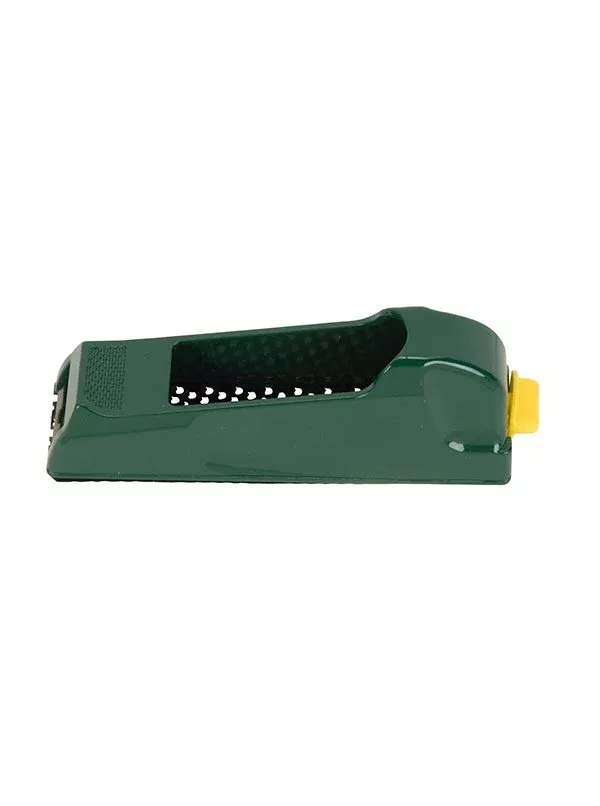
Is this the right tool for your job?
✓CHOOSE THIS WHEN
- The documented job is “Shape and Fit Drywall Board — The Complete Step-by-Step Guide”.
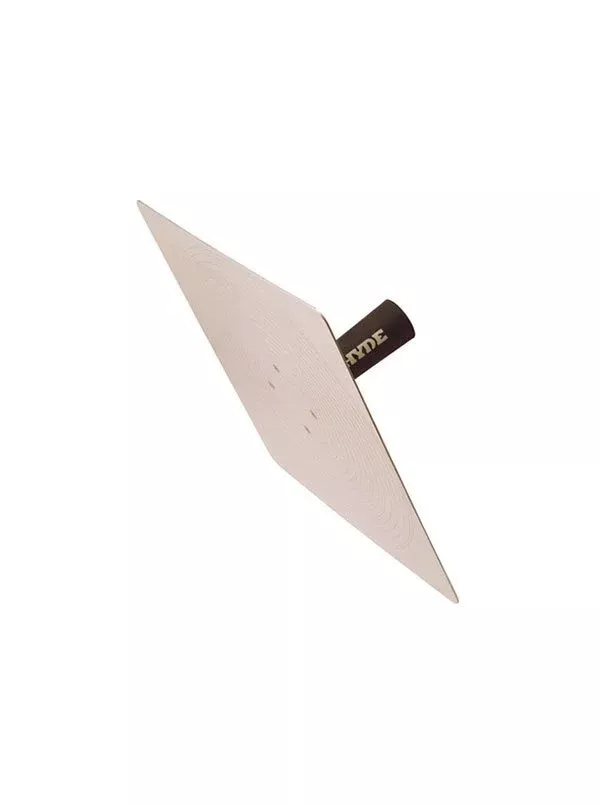
- Pocket Size: Compact and easy to carry, perfect for quick touch-ups.
- Versatile Use: Ideal for smoothing drywall, soft metals, and rough wood surfaces.
- Durable Construction: Built to withstand regular use on a variety of materials.
✕CHOOSE A DIFFERENT TOOL WHEN
- Not for Class 2 buyers: a stick-on or wet-set patch needs no cutting, so the patch customer buying this tool is buying steel they will not use — this store routes them back to the patch shelf (the line doc’s own rule, kept).
- Not a compound tool: sanding a skimmed repair belongs to the abrasives line; the rasp shapes board edges — raw gypsum and paper — before the piece goes in, never the finish after (the line’s pair call, from this side).
- Not claimed for plaster: its claims name drywall boards, soft metals, and rough wood — plaster appears nowhere in them, a scope line worth noticing in a line whose patches all claim plaster (no plaster claim exists; none is implied).
- Not a wood rasp in the joinery sense: “rough wood surfaces” means smoothing, not stock removal.
- And not a demolition or scraping tool — its line has openers and its store has scrapers; the rasp’s entire genius is truing what a cut left behind.
Jobs this tool does
EXACT JOB METHODS FOR HYDE №09985✓ Job guideShape and Fit Drywall BoardOPEN JOB GUIDE →✓ Job guideHow to Trim and Detail-Cut Drywall with a Trade KnifeOPEN JOB GUIDE →
How the pros run it
01
Let the teeth cut
The blade’s tooth pattern is unclaimed — no geometry is described here — but every rasp shares the rule: moderate pressure, full strokes, and the tool does the work; leaning on it clogs the cut and rounds the edge. Ride the plane. The rasp held square to the board’s face keeps the edge square; the wrist, not the tool, is where bevels come from — deliberately or not. Stroke along, check often. Work the edge’s length, then offer the piece up; fit is sneaked up on, never planed off in one ambitious pass. Clear the dust. Gypsum packs a rasp’s teeth; tap or brush the blade clear as it loads — a packed rasp slides instead of cutting, which reads as a dull blade before it is one. Dust discipline. Rasping gypsum is dusty work: eye protection overhead, a dust mask at volume — ordinary drywall-dust practice (and in pre-1978 material, §2b’s boundary governs before any stroke). When the blade is truly done, change it. Dulling shows as pressure creep and polished sliding; the handle is served for life by the 09986, and the change beats both a forced fit and a discarded tool.