Is this the right tool for your job?
✓CHOOSE THIS WHEN
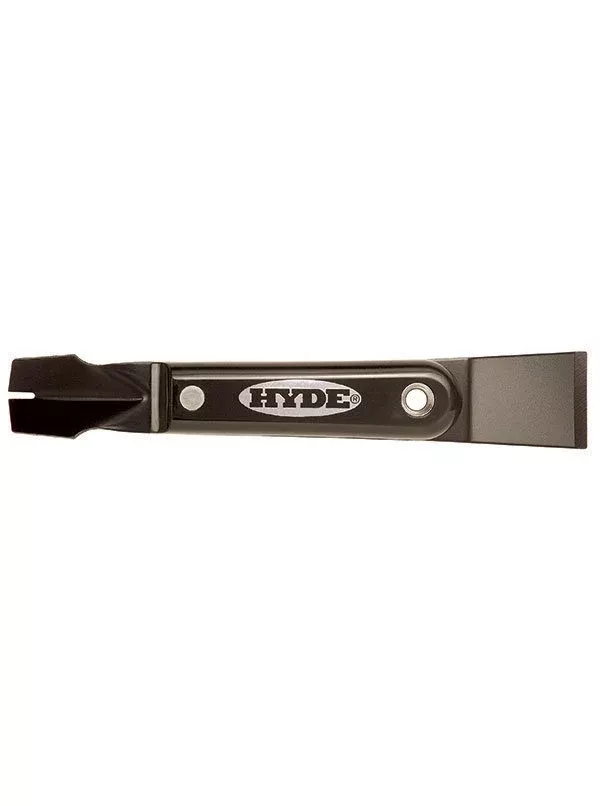
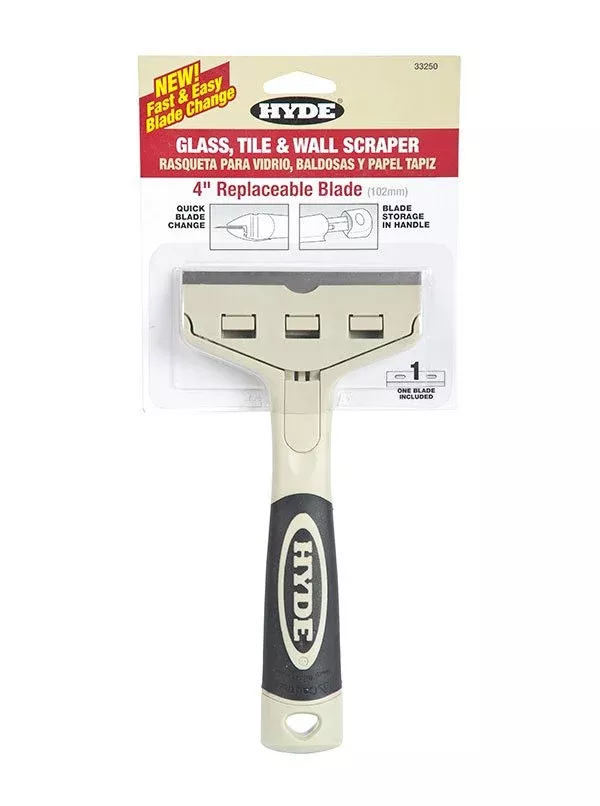
- 4″ Blade: The scraper features a 4-inch blade, perfect for removing paint, stickers, and wallpaper from glass, mirrors, or walls, ensuring thorough and even scraping.
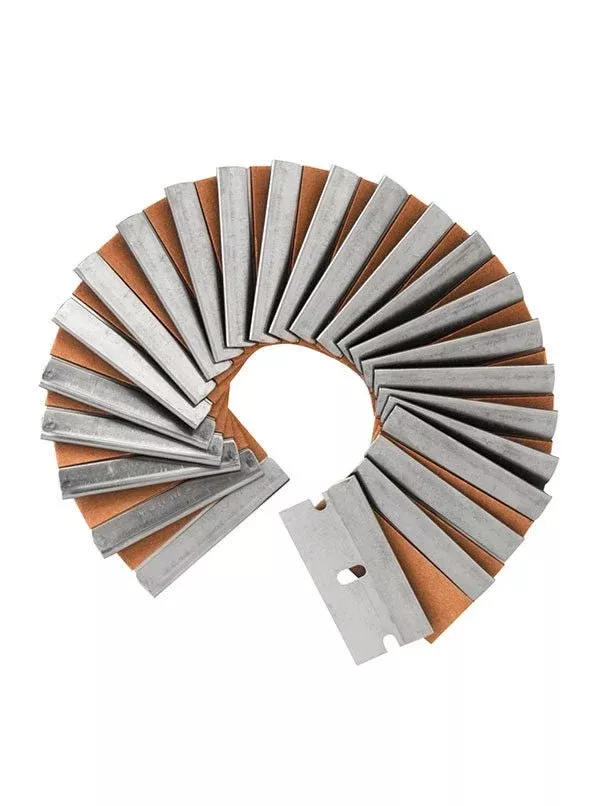
- Quick-Change Blade System: Replace blades quickly and easily with the quick-change feature, allowing you to swap out blades without the need for additional tools.
- Overmold Handle: The ergonomic overmold handle provides a secure, comfortable grip, reducing hand fatigue and enhancing control during extended use.
✕CHOOSE A DIFFERENT TOOL WHEN
- Anything struck or excavated. It is not a hammer scraper — never drive it, never use it on a floor bond line, never pound it. Its cousins the 19430/19440/19450 own that job.
- Curved, soft, or textured surfaces. A 4-inch flat razor edge only works where the surface is flat, hard, and smooth. On raw wood, textured walls, plastic trim, and painted vinyl, a wide razor cuts in and scars — those are jobs for a stiff putty knife or a pull scraper, not a razor.
- Delicate coated glass. Low-E, mirrored, and heavily tinted or filmed glass can be scratched by scraping; the coating, not the glass, is what you damage. Test, or stay off it.
- Fine detail and corners. The 4-inch width can’t reach into a tight framed corner or a muntin channel — a smaller razor holder or a utility-blade scraper wins there. This tool is for the field, not the edges.
Jobs this tool does
EXACT JOB METHODS FOR HYDE №33250✓ Job guideHow to Scrape a Big Glass or Wall Field CleanOPEN JOB GUIDE →
For these jobs—use this instead
THE JOB, THE REASON, AND THE BETTER TOOL✕ Anything struck or excavatedIt is not a hammer scraper — never drive it, never use it on a floor bond line, never pound it. Its cousins the 19430/19440/19450 own that job. BETTER TOOL 18” Hammer Scraper 19430 →
How the pros run it
01
Angle is everything
Low — 20–30° — so the blade shears rather than digs. Steep gouges glass and paper alike. Wet the surface on glass and mirror, always; wet the wall on wallpaper work. One direction. Pull in single strokes and lift on the return; back-and-forth scrubbing drags debris. Pick the side to the job: shave for planing thin haze off hard smooth surfaces, scrape for lifting thicker or gummier material. Change the blade before you fight a dull one — the quick-change and in-handle spares exist so you never keep working a rounded edge; a fresh edge shaves clean, a dull one skips and scratches. Store it safe: a 4-inch exposed razor edge is a serious blade — keep the spare blades in the handle storage, not loose, and never set the tool down edge-up.