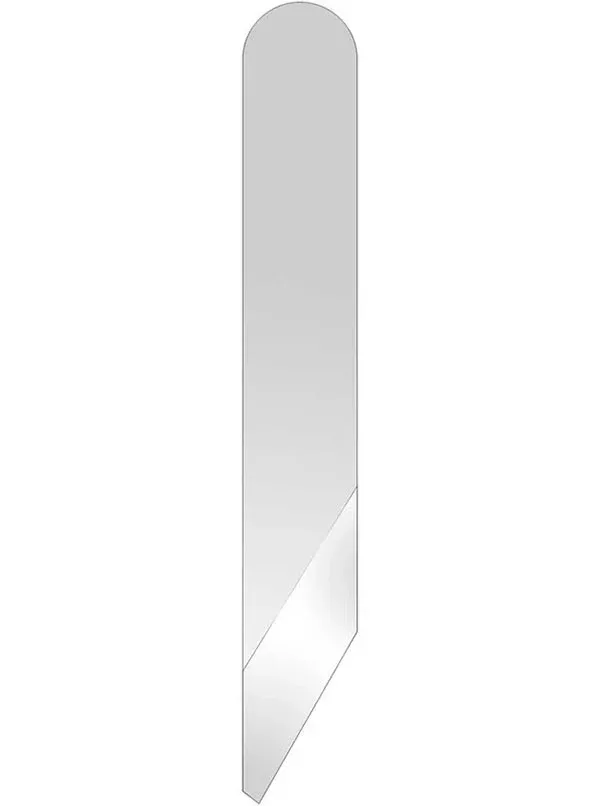
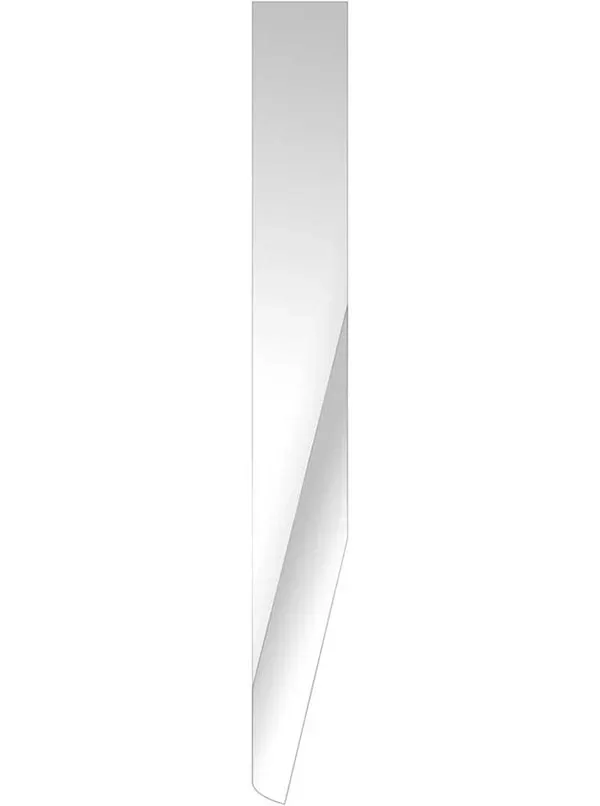
Is this the right tool for your job?
✕CHOOSE A DIFFERENT TOOL WHEN
- Abrasive synthetics and cord as a daily diet — a Standard carbon edge rounds on filled or synthetic stock, and the 081 pattern has no HSS version to migrate to in-pattern (see below).
- Reach — the 9″ 086 does the long draw the 6″ 081 can’t.
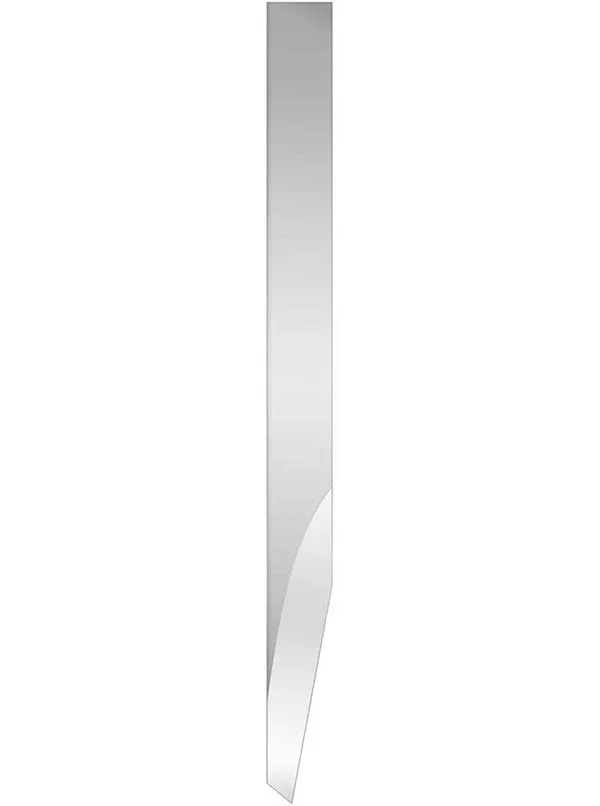
- Dense rubber and grabby stock that rolls a thin flat edge — that is the bevel grinds’ backing and, for short high-force cuts, the .109″ stubs.
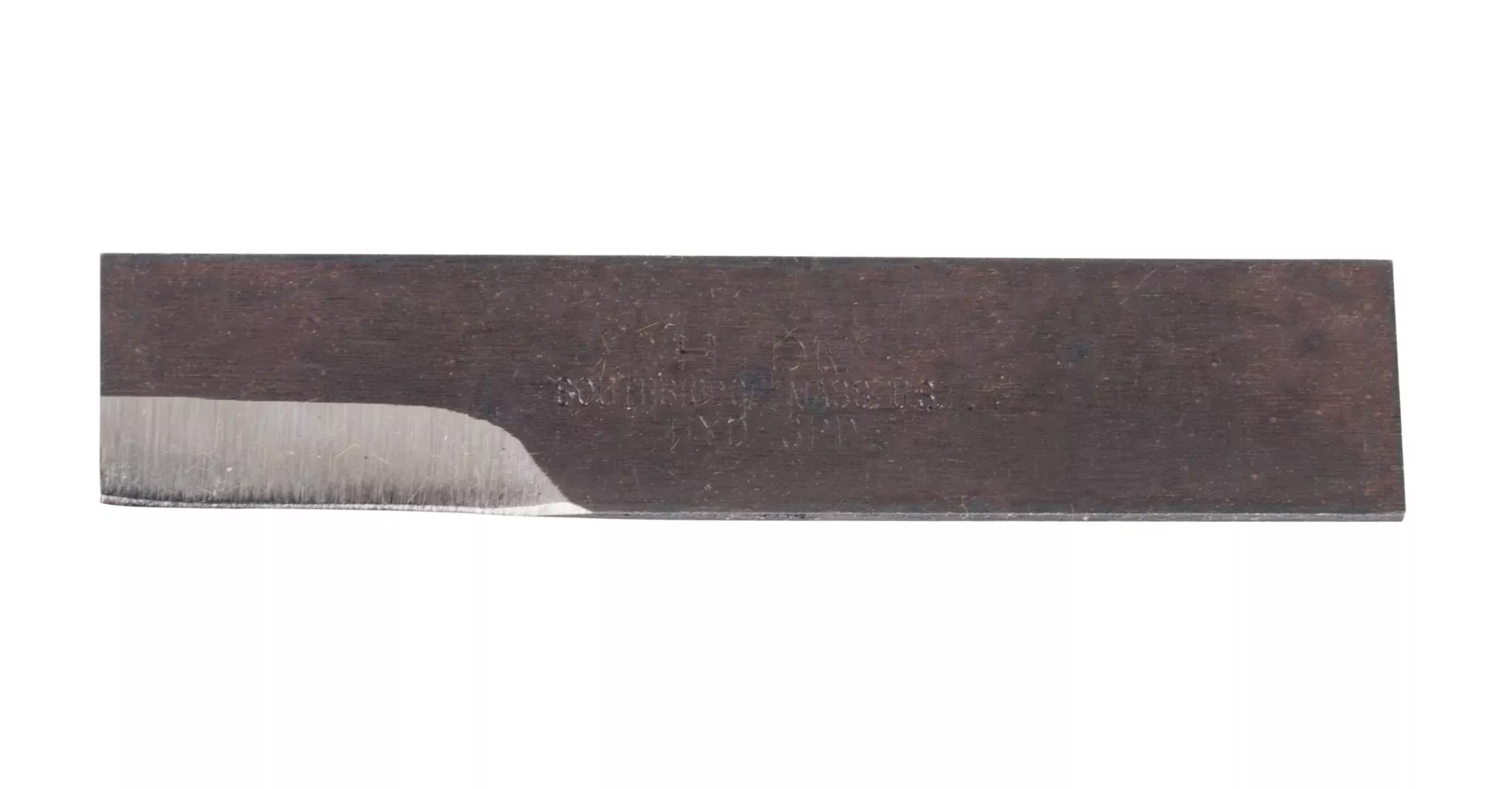
- And it is not a specialty blade of any kind: the 081 is deliberately the generalist, which means the moment a job has a specific demand — reach, wear-life, edge backing, stub force — there is a better blade in the line for it.
Jobs this tool does
EXACT JOB METHODS FOR HYDE №62090✓ Job guideHow to Clear Wraps and Lap-Ups from Machine RollsOPEN JOB GUIDE →✓ Job guideHow to Control Yarn, Thread, and Tow Cutting at the FrameOPEN JOB GUIDE →✓ Job guideHow to Control Between-Change Service for a Standard Mill BladeOPEN JOB GUIDE →✓ Job guideHow to Trim Fabric at the Inspection TableOPEN JOB GUIDE →
How the pros run it
01
Run it short for control, long for reach — but not too long
At .072″ the 081 is stiffer than the light 080 and holds a line under pressure; extend it only as far as the cut needs, and re-extend it as the edge wears back rather than starting with a long, floppy stick-out.
02
Hone the flat
The flat grind lays clean on a bench stone; keep the bevel flat, lift the burr off the back, and resist steepening the angle into a rounded edge. A Standard high-carbon blade takes this edge back many times before it is spent.
03
Keep it dry
Carbon steel over damp fiber, size, or finish wants a wipe-down at the end of the run and a film of oil if it sits — the maintenance tax that buys the honable edge.
04
Read the drag
A flat 5/8″ edge should slice soft stock with little push. Rising drag or tearing means it is time on the stone; on natural fiber that is a quick touch-up, not a blade change.