Is this the right tool for your job?
✕CHOOSE A DIFFERENT TOOL WHEN
- Close work, and everything that doesn’t need reach.
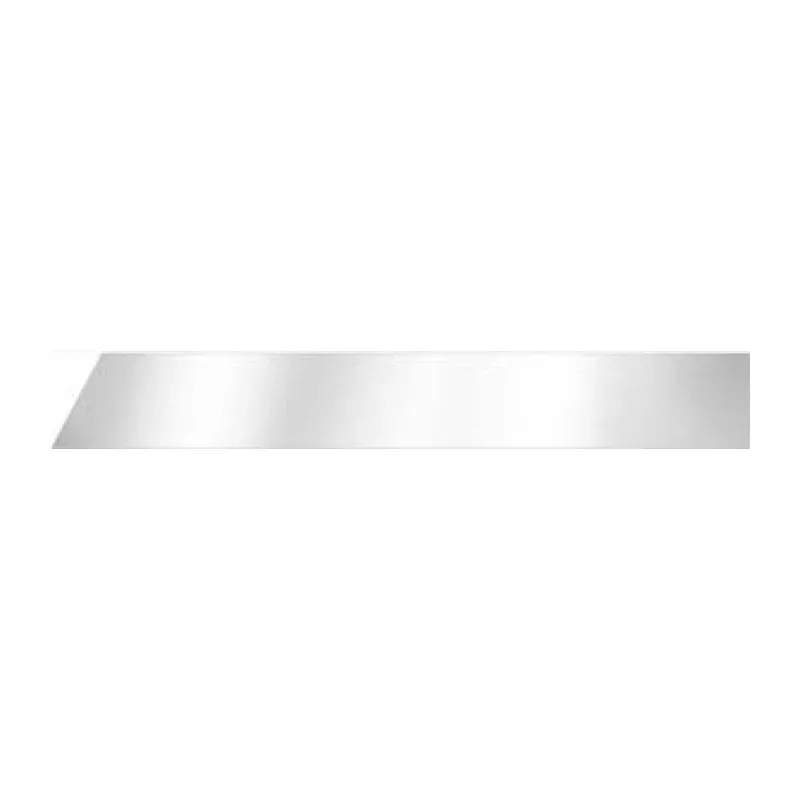
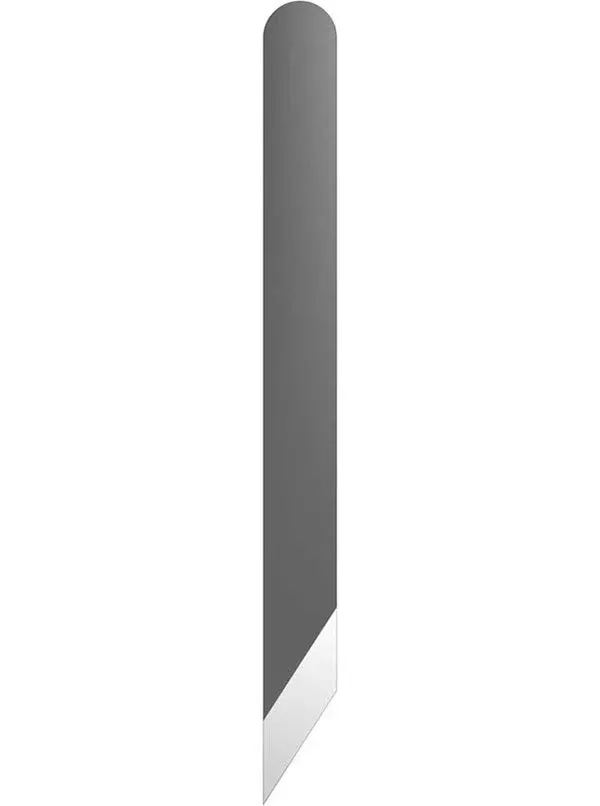
- At the frame, the inspection table, and any station where the cut is within a hand’s easy reach, the 086 is more blade than the job wants — the 6″ flats (080, 081, 087) do that work with less flex and less wasted steel.
- It is not a stub or a high-force blade — the .109″ heavies take short, hard cuts the long 086 would bow under.
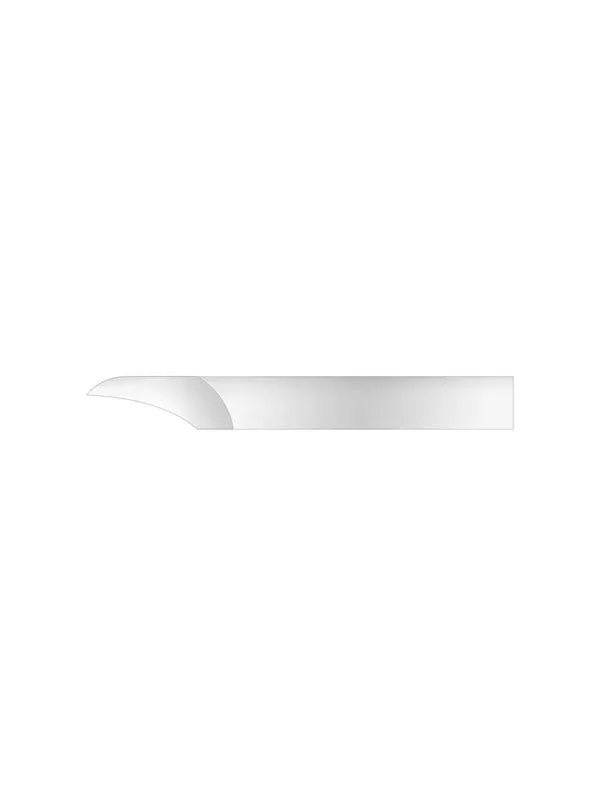
- It is not a bevel-backed blade for dense grabby stock — that is the bevel grinds’ job.
- And it is not a paper-roll slabbing knife — the 8″ square points own that.
Jobs this tool does
EXACT JOB METHODS FOR HYDE №62180✓ Job guideHow to Clear Wraps and Lap-Ups from Machine RollsOPEN JOB GUIDE →✓ Job guideHow to Control Between-Change Service for a Standard Mill BladeOPEN JOB GUIDE →
How the pros run it
01
Exposure is a reach-versus-flex trade, and you make it every cut
Short exposure keeps even a 9″ blade stiff for controlled work close to the handle; long exposure buys reach at the cost of a bending edge. Set the minimum stick-out the cut allows and no more.
02
Draw, never chop
Length and chopping don’t mix — a long blade brought down hard bends and skates. Keep every stroke a continuous draw with the edge laid into the material.
03
Hone the flat, mind the length
The flat grind hones flat on a stone as elsewhere in the line; the only difference is there’s more of it, so honing an 086 takes a longer stroke and a longer stone. Keep the working portion keen; you rarely need the whole nine inches sharp at once.
04
Wipe it dry
High-carbon Standard steel over damp fiber or size wants the end-of-run wipe and a film of oil if it sits — same tax, more blade to pay it on.