
Is this the right tool for your job?
✕CHOOSE A DIFFERENT TOOL WHEN
- Latex, acrylic, or any waterborne paint — ever.
- The bristle absorbs the water and flares; you will fight your line and cook the brush.
- Reach for a polyester brush instead.
- Cutting sharp lines — this is a straight lay-off brush; use an angular sash.
- The absolute smoothest furniture varnish — the stiffer black bristle is a hair less delicate than soft white bristle on show finishes.
How the pros run it
01
Keep it out of water
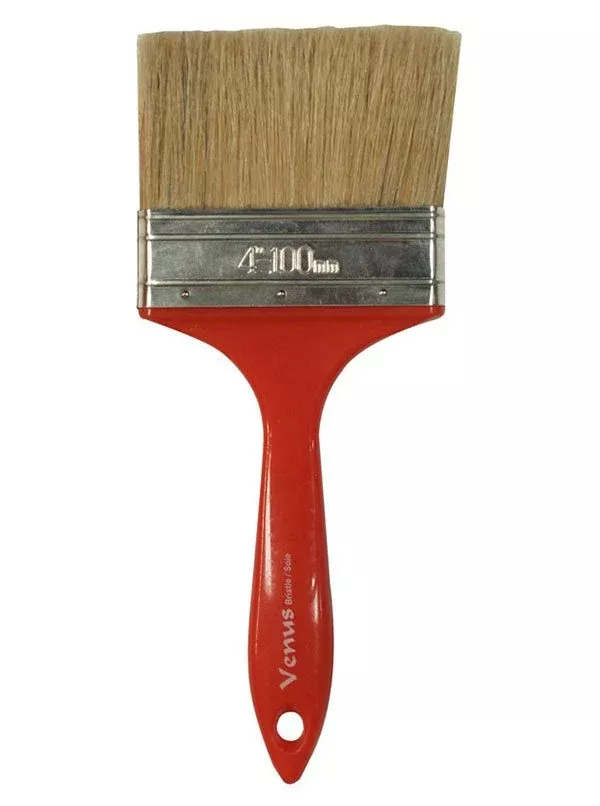
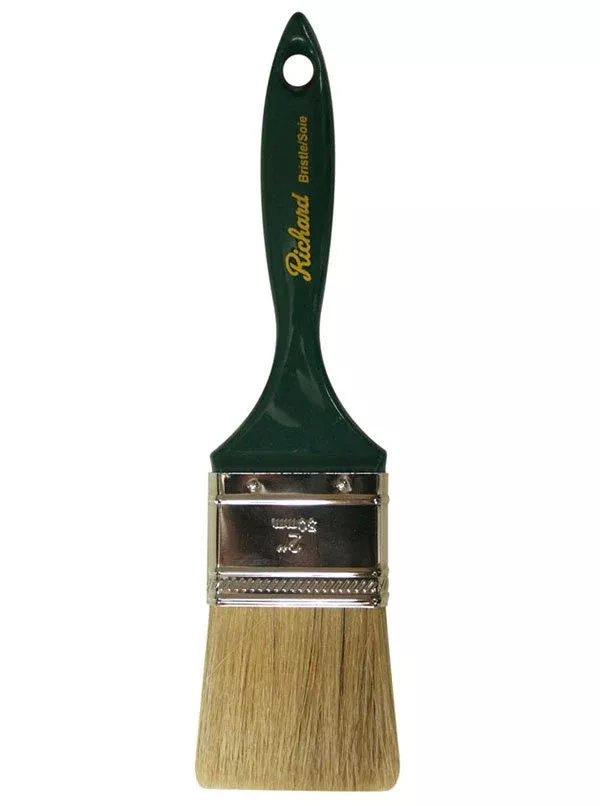
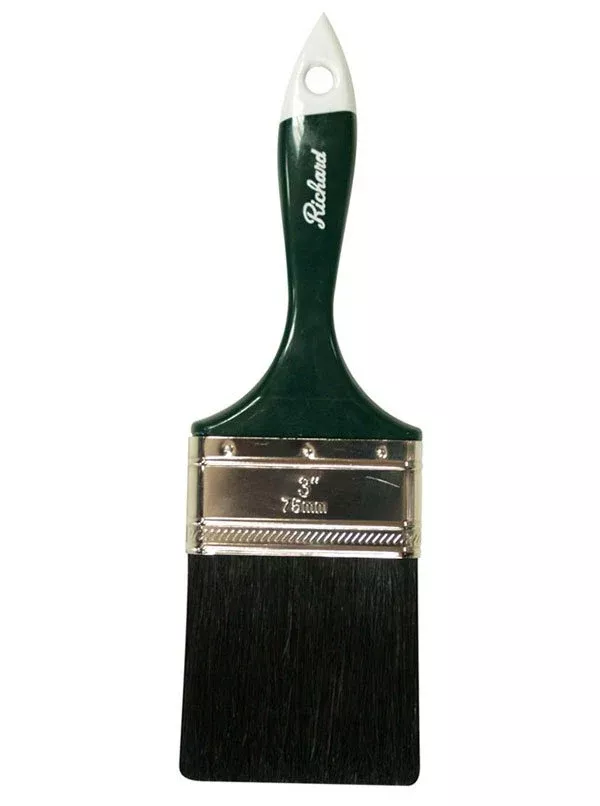
This is rule one and it is absolute: no latex, and no water rinse. Clean in the correct solvent for the coating — mineral spirits for most oils — then wash, comb the bristle straight, shape the tip, and dry. Load generously: natural bristle is a thirsty, high-carry fill; use it. Lay on, then tip off with the grain, letting slow oil coatings level themselves. Do not over-brush — chasing a wet oil film past its lay-off leaves tracks that would otherwise have flowed out. Protect the heel: oil dried where the bristle meets the ferrule stiffens and splays the brush permanently; clean to the heel every time. Stored dry and cleaned in solvent, a natural-bristle PREMIER lasts for years of oil finishing.