Is this the right tool for your job?
✓CHOOSE THIS WHEN
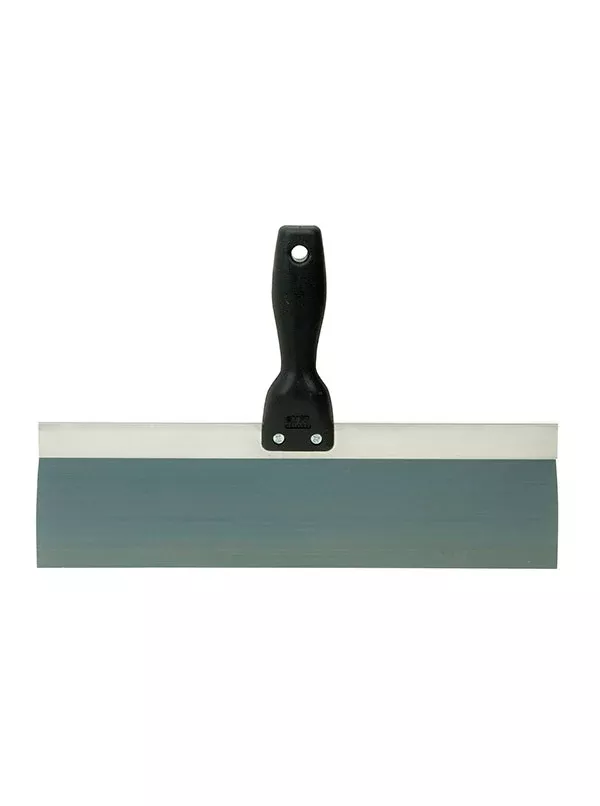
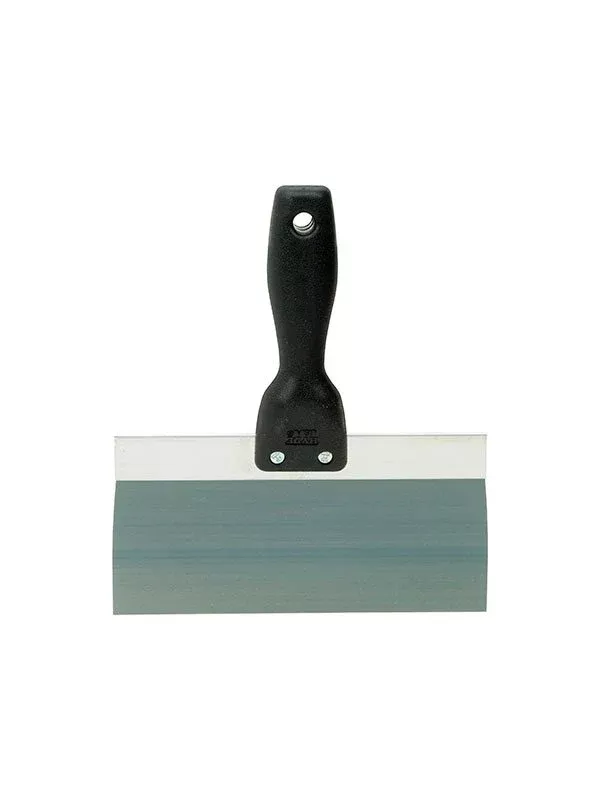
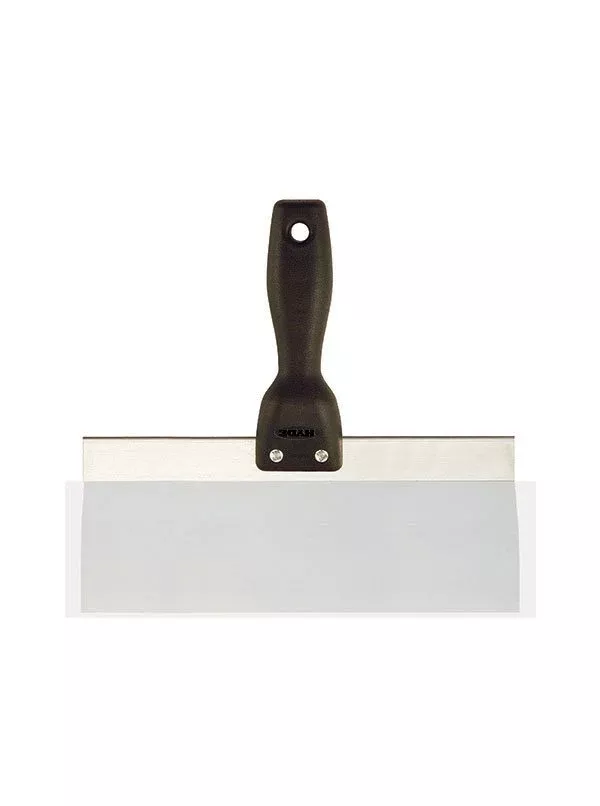
- Angled Handle Design: Helps differentiating between imbedding tape and the smoothing compound process.
- Lightweight Design : Each knife is 23% lighter than conventional taping knives, reducing hand fatigue during extended use.
- Multi-Functional : Ideal for not only drywall taping and finishing but also as an effective smoothing tool and wallcovering trim tool.
✕CHOOSE A DIFFERENT TOOL WHEN
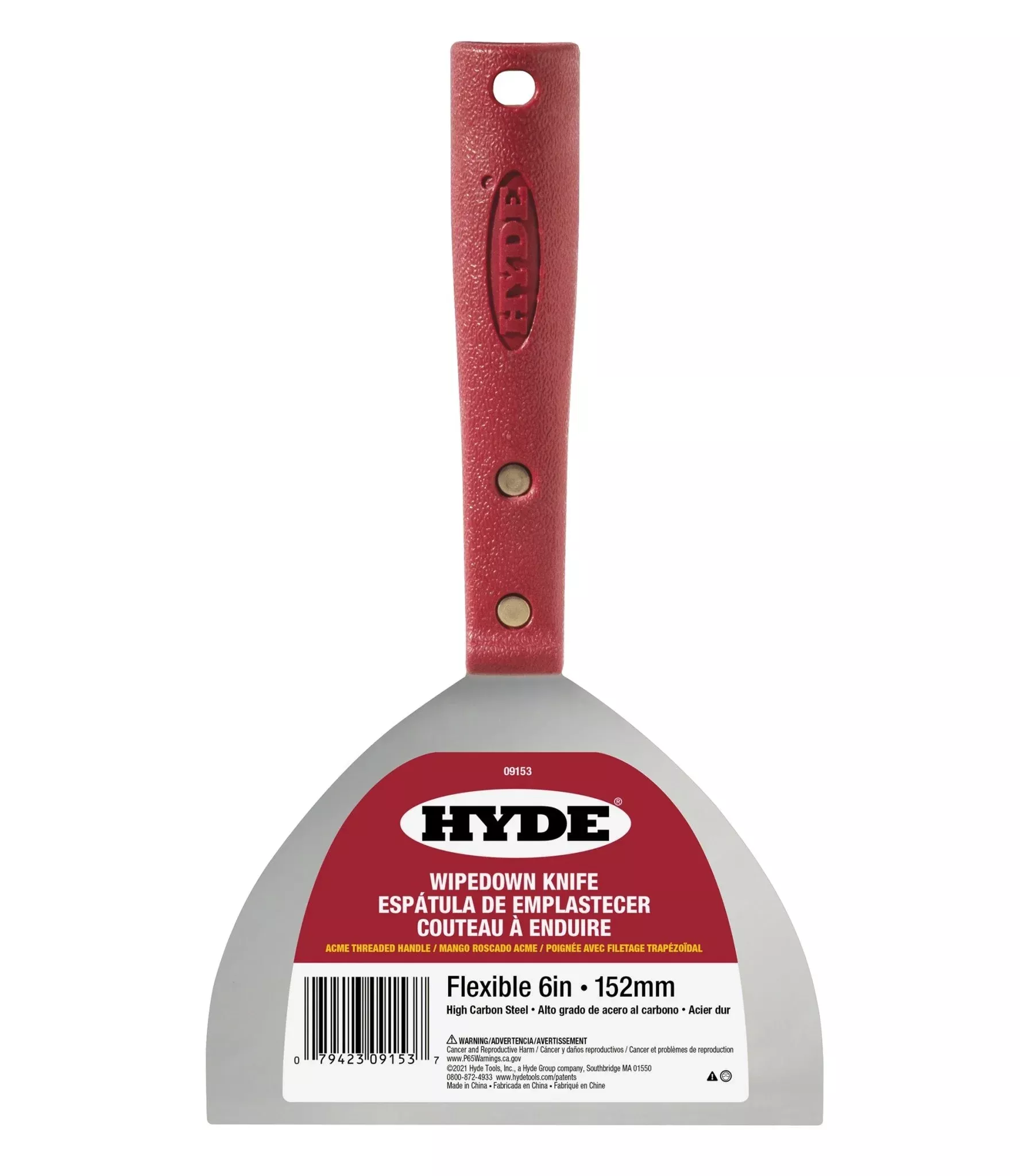
- Tape bedding — done with a 4″–6″ joint knife, not a 10″ taping blade; the width and mounted handle can’t hold pressure on the tape’s center line.
- Butt-joint finishing — a 10″ starts the feather but is too narrow to carry a butt-joint crown out to invisibility in the two overlapping passes that job wants; that is 12″–14″ work (the 09314, or the flat-back 09373/09374).
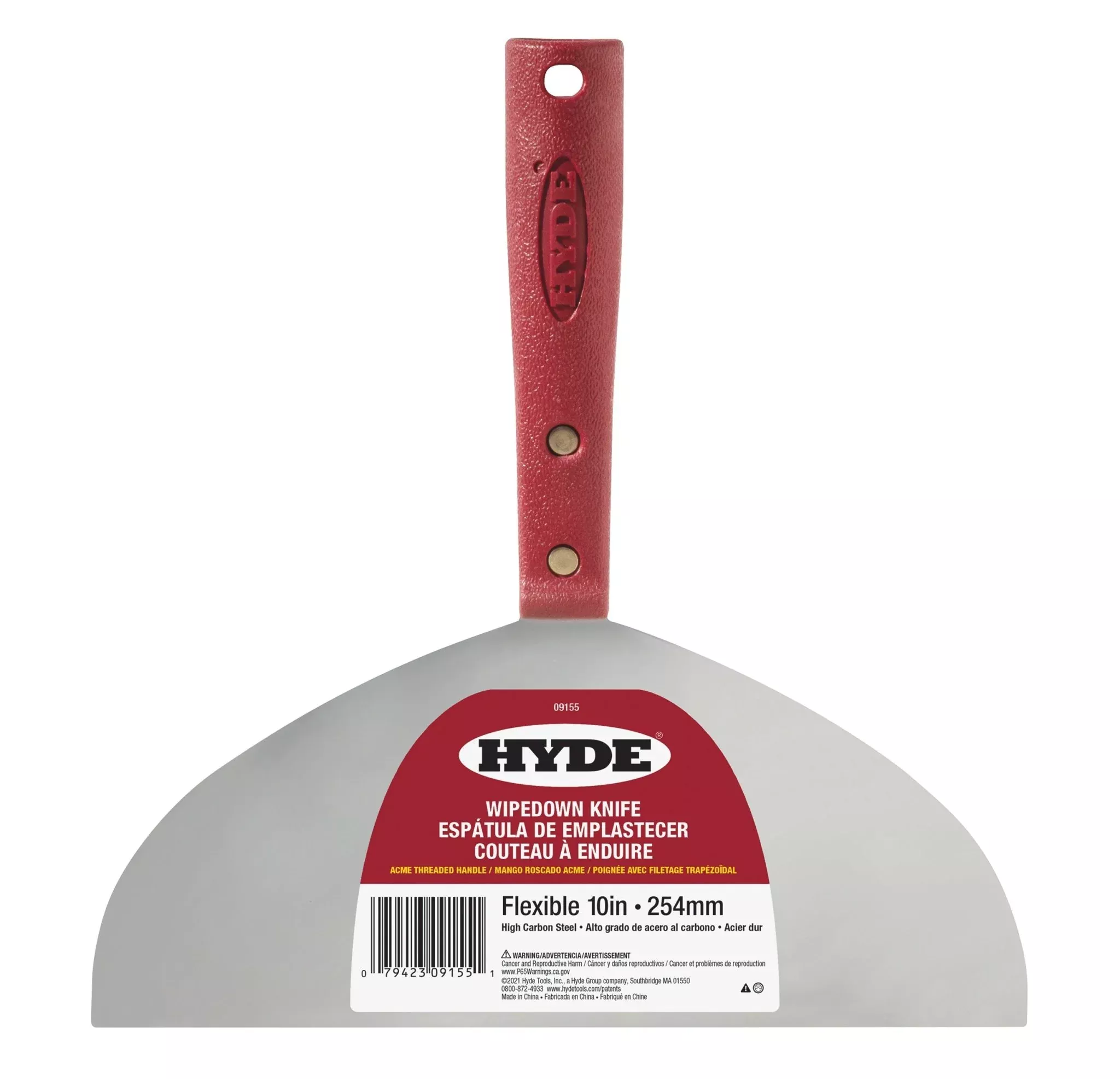
- Scraping and demolition — the thin Value Series™ blade is a finishing tool, not a ridge-lifter; keep dried-ridge and paint removal on a stiff chisel-edge knife (02601).
For these jobs—use this instead
THE JOB, THE REASON, AND THE BETTER TOOL✕ Butt-joint finishingA 10″ starts the feather but is too narrow to carry a butt-joint crown out to invisibility in the two overlapping passes that job wants; that is 12″–14″ work (the 09314, or the flat-back 09373/09374). BETTER TOOL Lightweight Stainless Steel Taping 09314 →
How the pros run it
01
Everything about steering a taping knife is bow
press through the handle’s center and the blade crowns slightly in the middle to leave a joint proud for sanding; bias pressure to one end and that edge feathers to zero. A wider blade holds more of whatever shape your hand gives it, so the 10″ rewards a flatter, more deliberate stroke and punishes a rushed one — a wobble at ten inches prints a wider flaw than the same wobble at six. Load from the pan’s near rim, deposit at roughly 20–30°, finish the wipe flatter at 10–15°, and clean the blade on the pan edge every return so no dried crumb scratches the coat. The Value Series™ angled handle gives your wrist a distinct attitude for the smoothing stroke versus the depositing stroke — Hyde’s stated reason for the angle. Cleanup is the whole maintenance conversation: rinse the stainless blade, hang it by the handle hole.