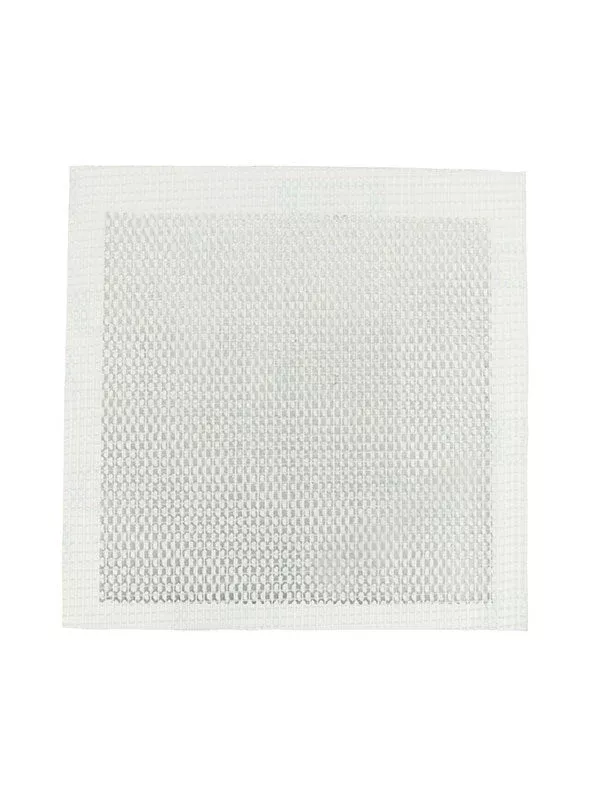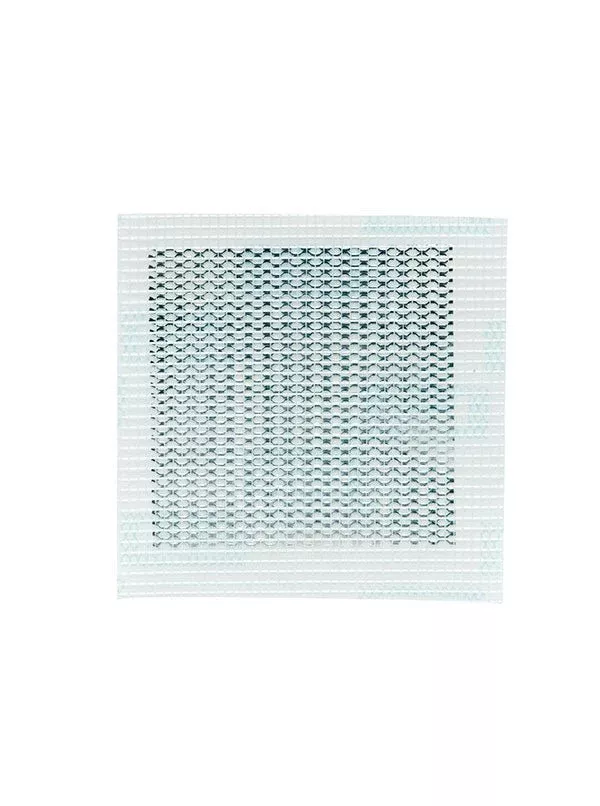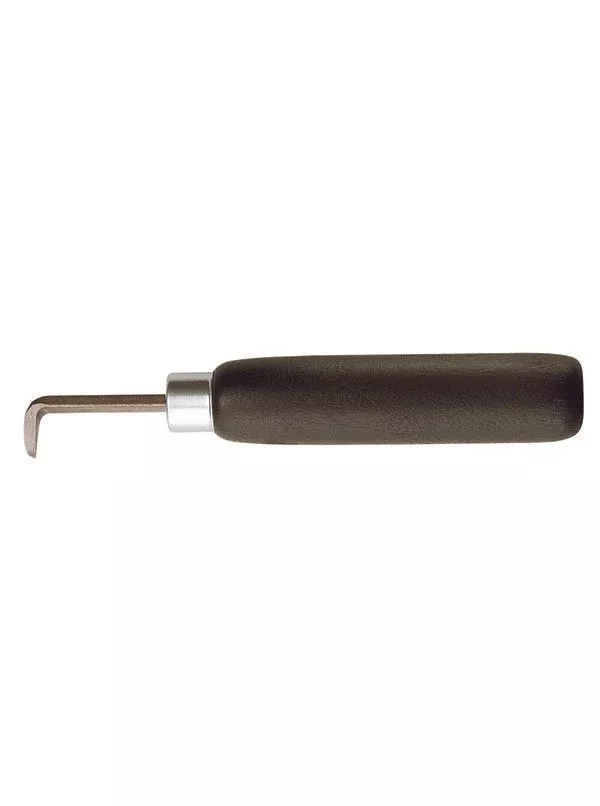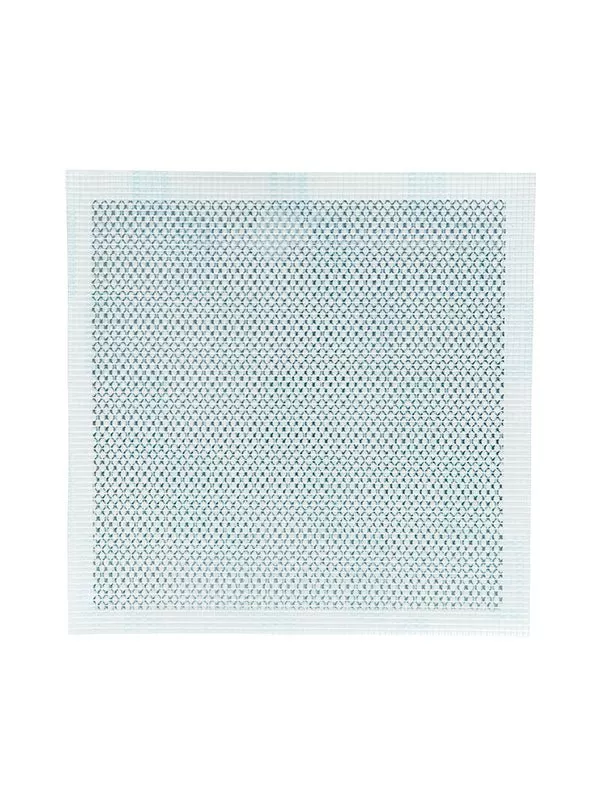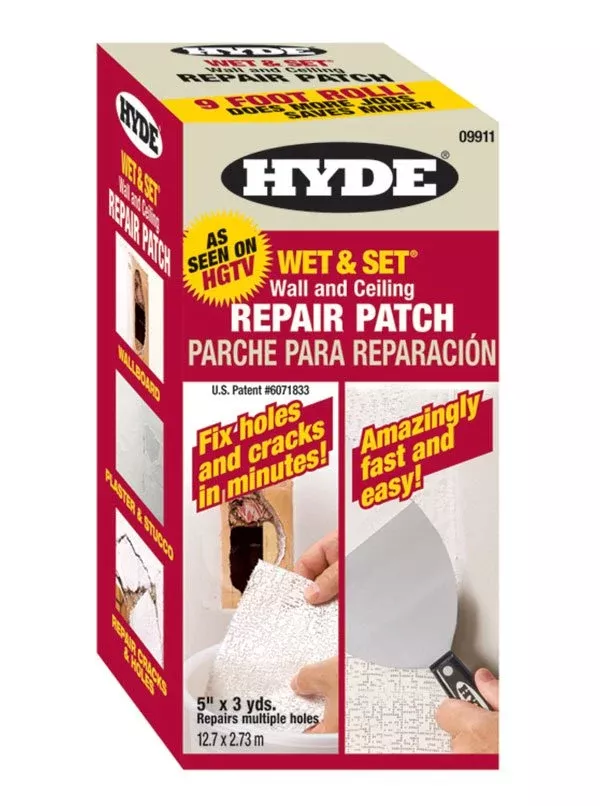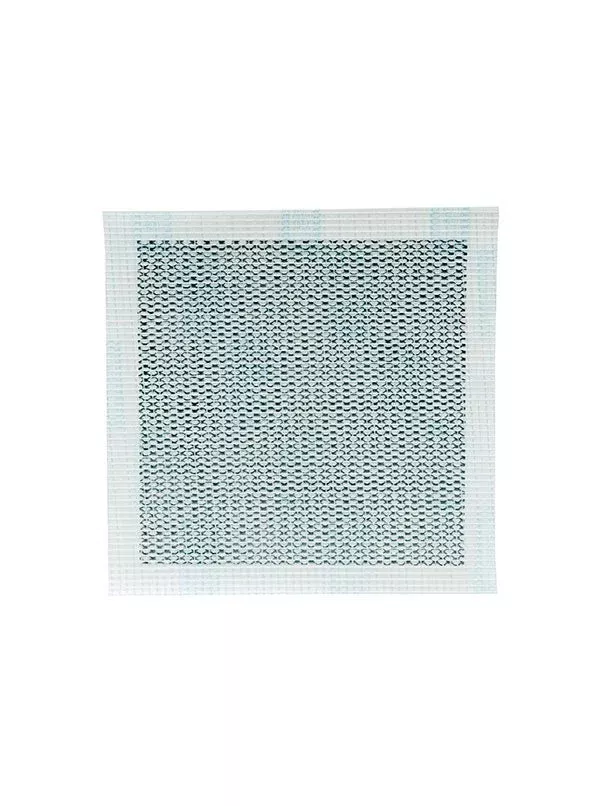
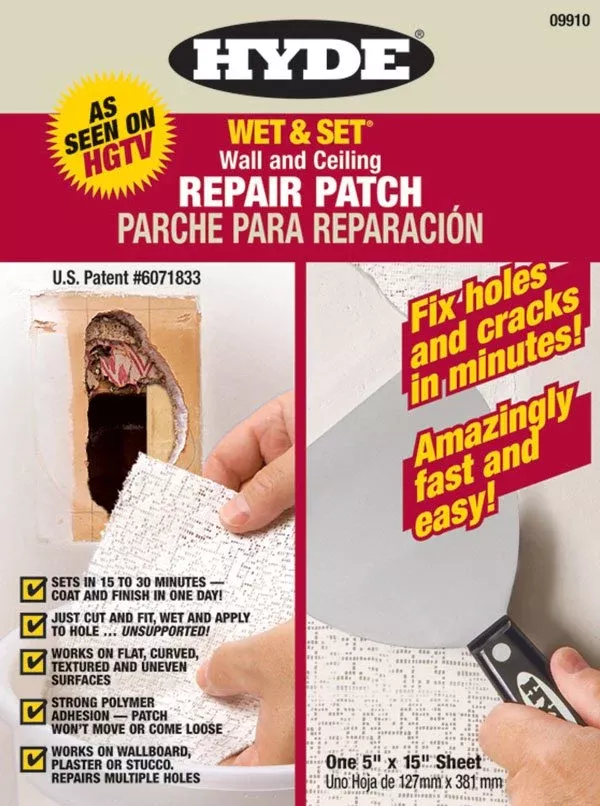
Is this the right tool for your job?
✓CHOOSE THIS WHEN
- The documented job is “Feather and Finish a Wall Patch — The Complete Step-by-Step Guide”.
- The documented job is “Patch a Ceiling Hole — The Complete Step-by-Step Guide”.
- The documented job is “Repair a Drywall Stress Crack — The Complete Step-by-Step Guide”.
- The documented job is “Repair Cracks and Holes in Plaster and Stucco — The Complete Step-by-Step Guide”.
- Fast Application: Quick to apply, reducing overall repair time.
✕CHOOSE A DIFFERENT TOOL WHEN
- Not for Class 1: dip-and-set on a nail hole is ceremony where a squeeze of the 09914 is a second’s work.
- Not for Class 3: damage bigger than the sound surface around it gets board, and the margin arithmetic in §2a is the reason.
- Not a finish material: the claims sequence it under a finish coat — the fabric layer is structure, and compound is the surface; a repair left unskimmed is a repair half done.
- Not a long-strip solution beyond its own length: this sheet cuts nothing longer than fifteen inches, and a crack-bridging strip or a run of damage wants the roll, which cuts the same fabric nine feet at a time.
- And it is not the fix for a crack by itself: a moving crack gets opened and filled by the crack pair first — a bridge over an unfilled, unopened hairline is a skin over a working joint.
Jobs this tool does
EXACT JOB METHODS FOR HYDE №09910✓ Job guideFeather and Finish a Wall PatchOPEN JOB GUIDE →✓ Job guidePatch a Ceiling HoleOPEN JOB GUIDE →✓ Job guideRepair a Drywall Stress CrackOPEN JOB GUIDE →✓ Job guideRepair Cracks and Holes in Plaster and StuccoOPEN JOB GUIDE →
For these jobs—use this instead
THE JOB, THE REASON, AND THE BETTER TOOL✕ Class-1 nail holesDip-and-set on a nail hole is ceremony where a squeeze of the 09914 is a second’s work. BETTER TOOL Better Finish Nail Hole Filler 09914 →
How the pros run it
01
Cut before you wet
Scissors on dry fabric, per the claim; all the shaping happens before the clock starts. Full immersion, once. Every part of the piece needs the water; a missed corner is an unhardened corner. Work from the center out. Bedding chases air toward the edges; starting at an edge traps it in the middle. Respect the set. From dip to rigid is minutes — place it, smooth it, and take your hands off; re-working a setting material mid-cure is how strong repairs become crumbly ones. Then it is substrate. After 20–30 minutes, stop thinking “patch” and start thinking “wall”: skim, feather, sand, prime, the same as any surface. Clean water, clean tools. The material is activated by water; rinse the knife before residue hardens on it, and give the next repair fresh water rather than a bath clouded by the last one — working-practice at trade grain, not a package instruction.