Is this the right tool for your job?
✕CHOOSE A DIFFERENT TOOL WHEN
- Big flat exteriors at production pace — that is a two-handed, wider-head job, and forcing an inch-and-a-half single-hand edge across a whole wall is slow and tiring.
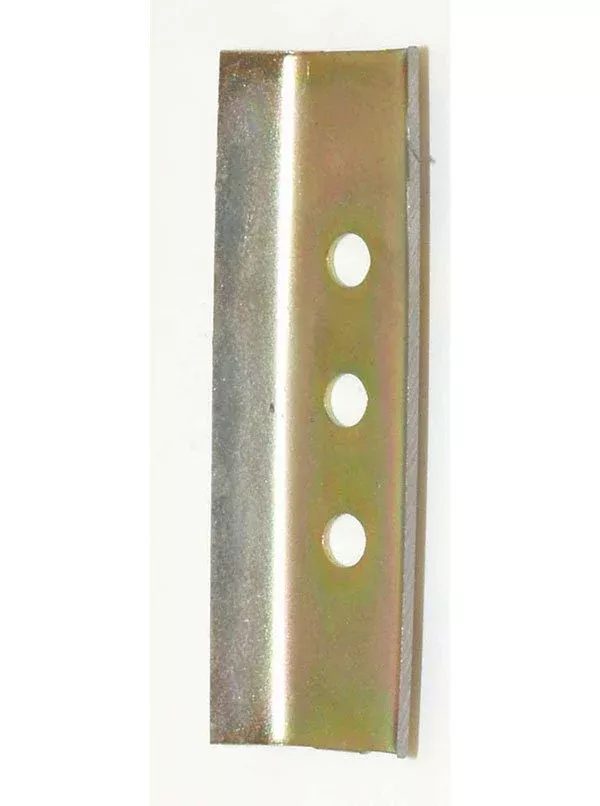
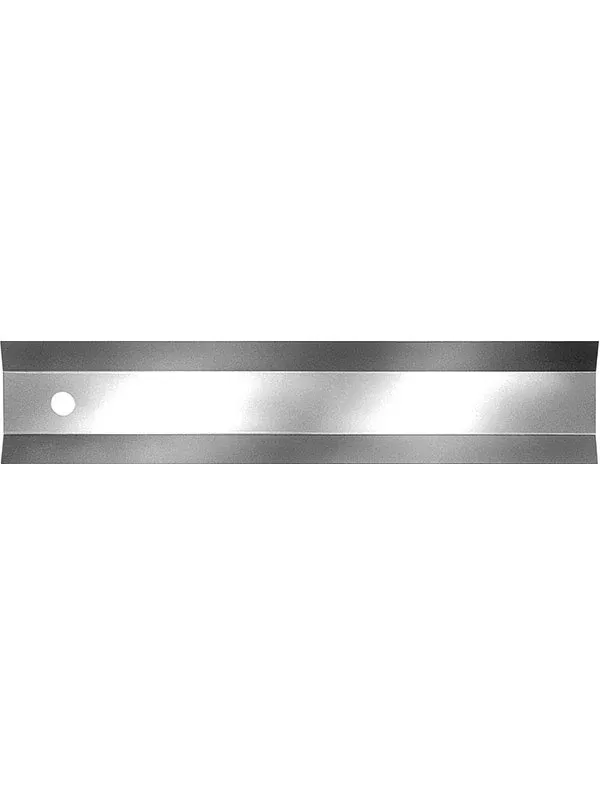
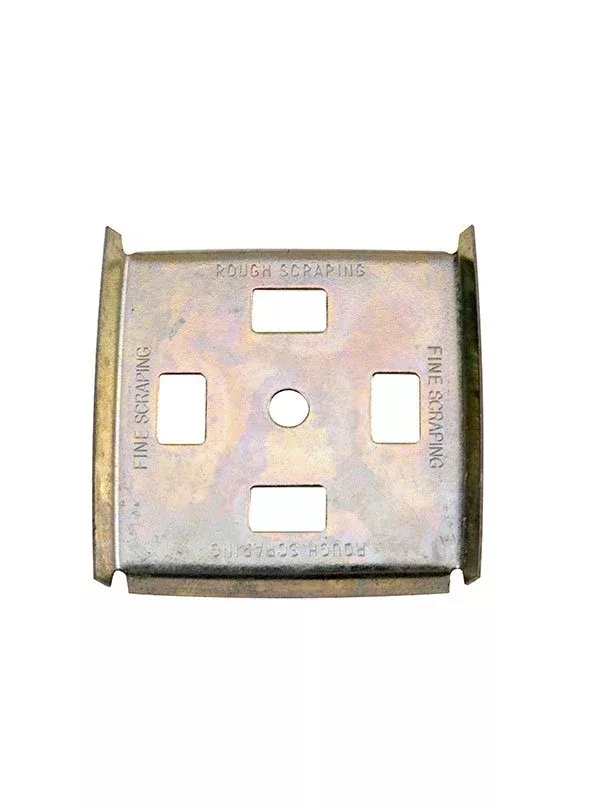
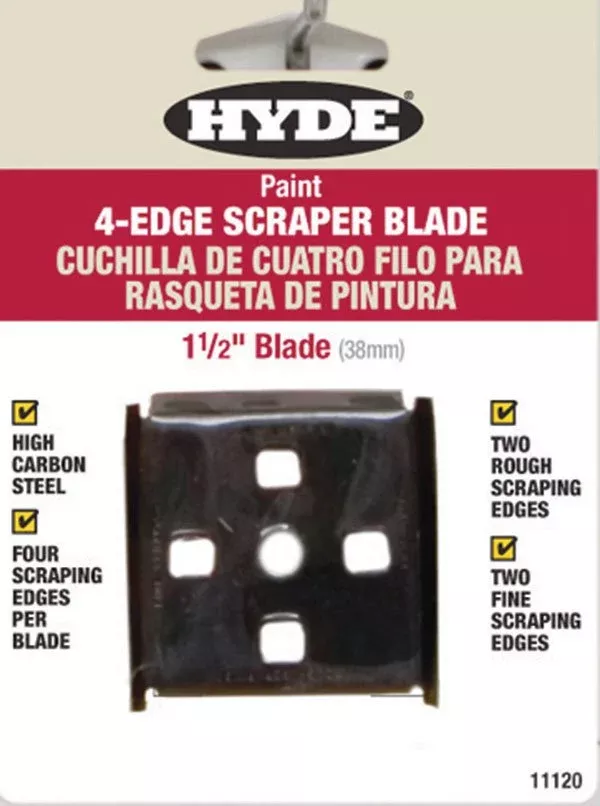
- It is also not a four-edge blade: it carries two edges, not the two-rough/two-smooth set of the 11120/11125.
- It does not apply material (pull-scraper blades only strip), is not a pry, and is not to be struck.
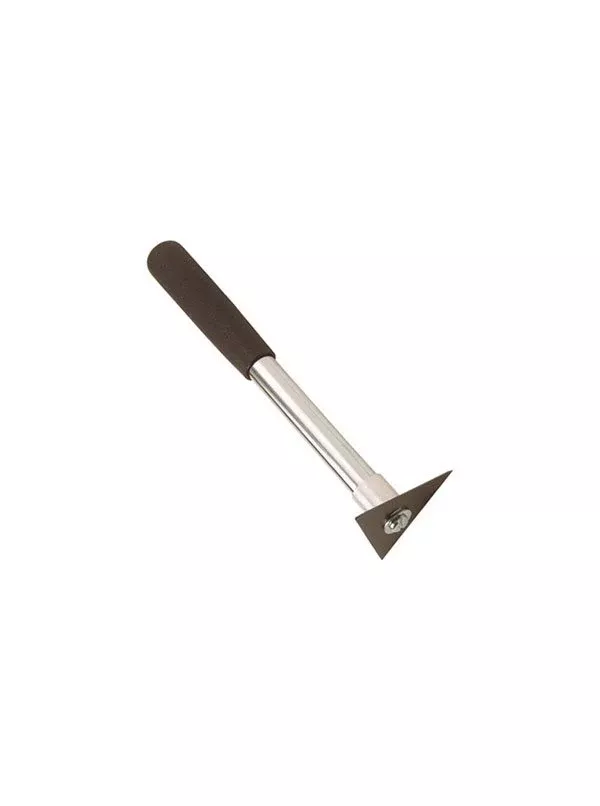
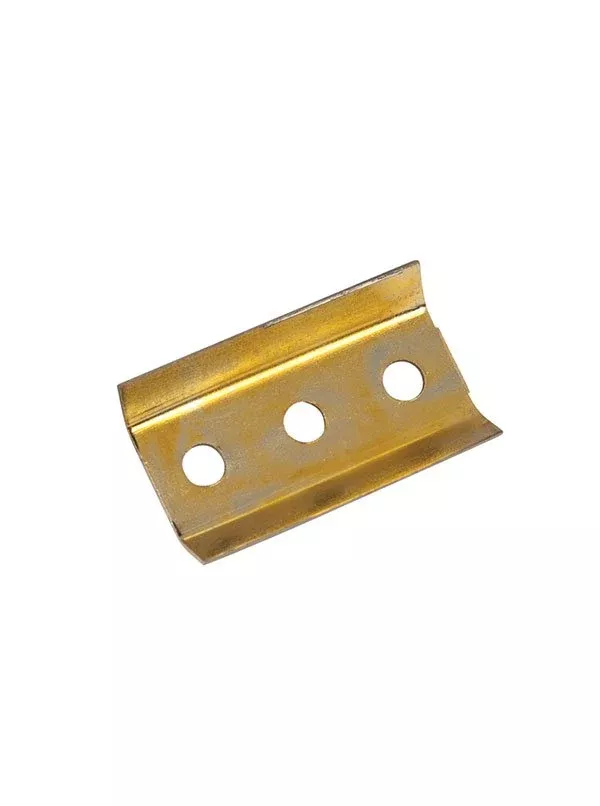
- And it is host-specific — the 10510 is its home.
Jobs this tool does
EXACT JOB METHODS FOR HYDE №11050✓ Job guideChoose and Change Scraper BladesOPEN JOB GUIDE →
For these jobs—use this instead
THE JOB, THE REASON, AND THE BETTER TOOL✕ Four-edge blade workIt carries two edges, not the two-rough/two-smooth set of the 11120/11125. BETTER TOOL Replacement Blade for Edge Scraper 10530 11120 →✕ Hosts other than the 10510And it is host-specific — the 10510 is its home. BETTER TOOL Black & Silver® Lifetime 2-Edge 10510 →
How the pros run it
01
Steep presentation, edge trailing, steady draw toward the body with your weight over the cut
Read the surface and stop the stroke where sound paint begins — the trailing geometry lets the edge ride over what is still bonded instead of gouging into the substrate. Feather the standing edges with abrasive afterward; the scraper removes, the sandpaper blends. Keep the edge square with the file, because a rolled 1-1/2″ edge chatters across a casing and prints tram-lines you then have to sand out.