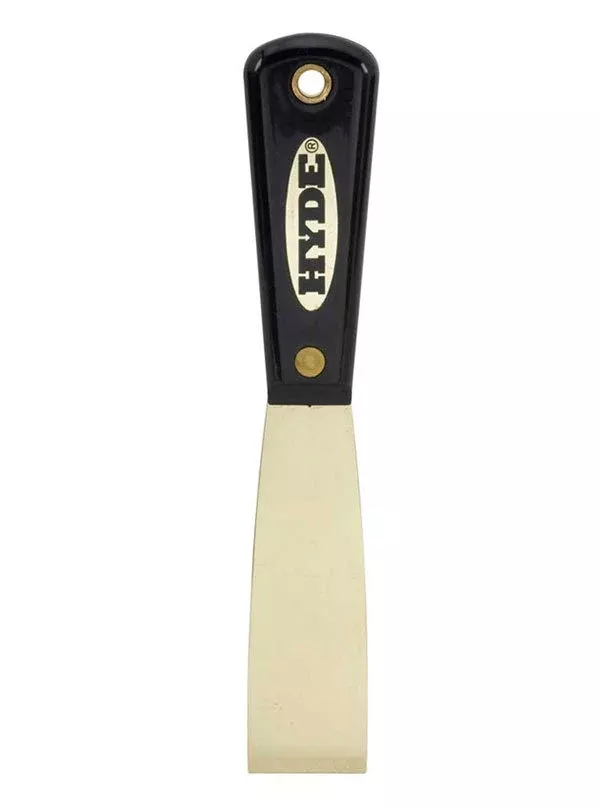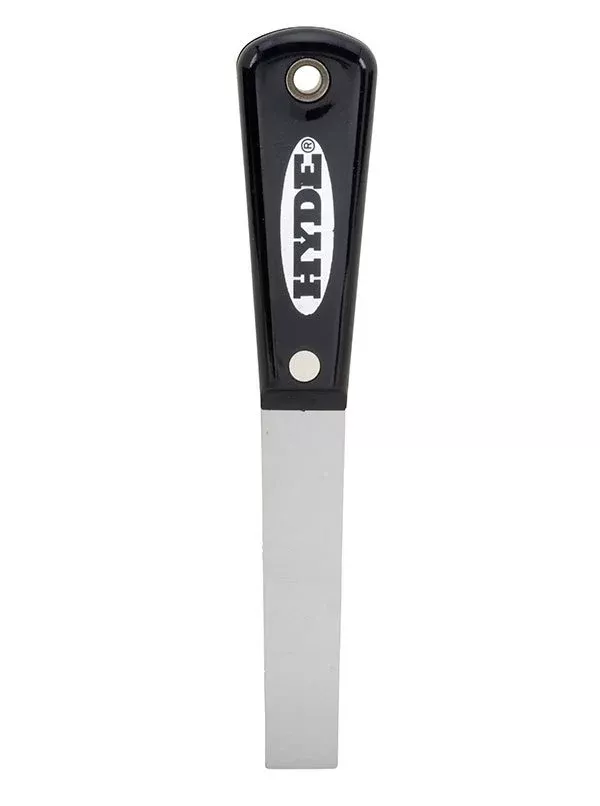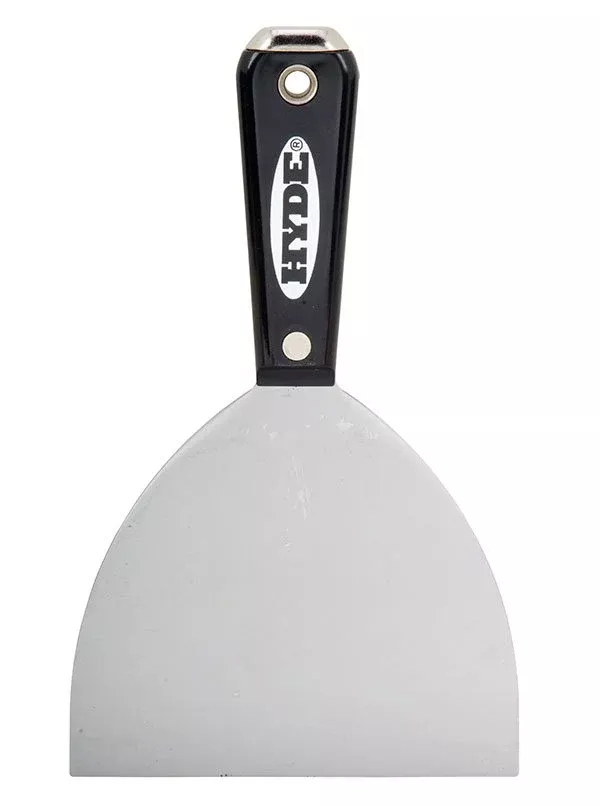
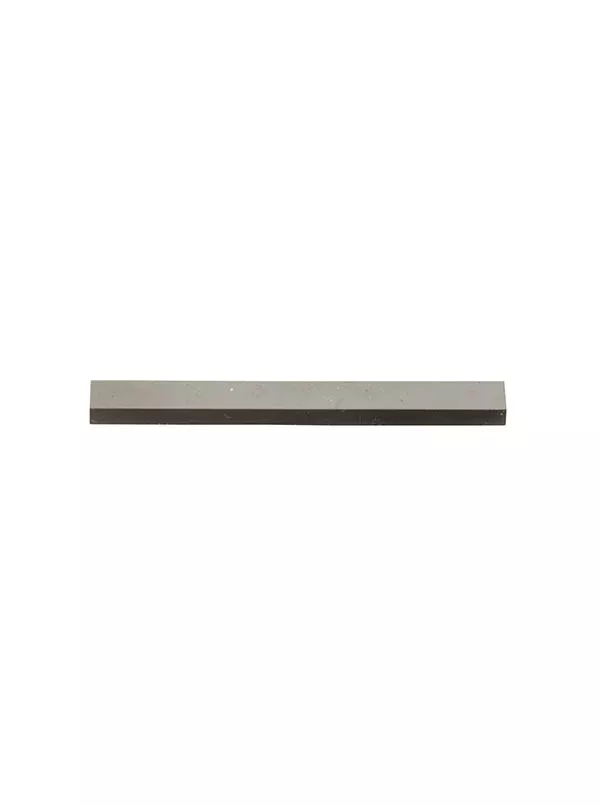
Is this the right tool for your job?
✓CHOOSE THIS WHEN
- Durable Carbide Construction: Long-lasting blades that maintain sharpness even after extensive use.
- Flexible Quantity Options: Choose from single blades or bulk packs to fit your project needs.
- Extended Blade Life: Carbide construction ensures durability and longevity.
✕CHOOSE A DIFFERENT TOOL WHEN
- Not sharpenable — the rack’s pre-made mistake sits two rows down: a 10610 owner who buys the 11200 to sharpen this blade has bought a tool that physically cannot do the job, and both product pages say so on purpose.
- Not a steel substitute: 2″ vs 2-1/2″ ends every substitution question inside this line before grind or mounting even enters.
- Not a pry, not a struck tool, not a demolition edge — brittleness is the tax on its hardness.
- Not the 10600’s or 10620’s blade — different geometry and width, different SKUs.
- And not the automatic buy for casual scraping: the steel economy exists, is cheaper, and is self-rescuing.
Jobs this tool does
EXACT JOB METHODS FOR HYDE №11170✓ Job guideFlip, File, or Replace? The Scraper Edge DecisionOPEN JOB GUIDE →✓ Job guideHow to Keep a Carbide Scraper CuttingOPEN JOB GUIDE →✓ Job guideHow to Match a Replacement Blade to Your Hyde ScraperOPEN JOB GUIDE →✓ Job guideHow to Replace the Blade on a Pull ScraperOPEN JOB GUIDE →
VIEW 1 MORE DOCUMENTED JOB
✓ Job guideGet Every Edge Out of a Scraper BladeOPEN JOB GUIDE →
For these jobs—use this instead
THE JOB, THE REASON, AND THE BETTER TOOL✕ Sharpening carbideThe rack’s pre-made mistake sits two rows down: a 10610 owner who buys the 11200 to sharpen this blade has bought a tool that physically cannot do the job, and both product pages say so on purpose. BETTER TOOL MAXXGRIP PRO® Carbide 2-Edge Scraper, 2” 10610 →✕ The 10600 and 10620 bladesDifferent geometry and width, different SKUs. BETTER TOOL MAXXGRIP PRO® Carbide 3-Edge Scraper 10600 →
How the pros run it
01
The stroke is the family’s
Pull the blade toward you at a steep angle, with downforce directly over the edge. Use the same basic scraper technique, but let the carbide edge’s hardness do the work: when cutting slows, flip the blade or check the substrate instead of pressing harder. Too much downforce on carbide makes it more likely to chip. Keep the pull straight; twisting mid-stroke loads the blade corner, and corners are where chips start. Respect the 2 inch width: it concentrates force well on clapboard faces, sills, and casings, but it does not bridge wider areas. Driving a narrow carbide edge like a wide steel scraper can groove soft substrates. Hard, old, multi-coat failure is pre-1978 territory: follow lead-safe practices, including containment, wet methods, and EPA Lead RRP Program requirements for paid work. For dust-controlled scraping, use the 09190 with a HEPA-rated vac; it fits the same jobs this blade class is built for.