
Is this the right tool for your job?
✓CHOOSE THIS WHEN
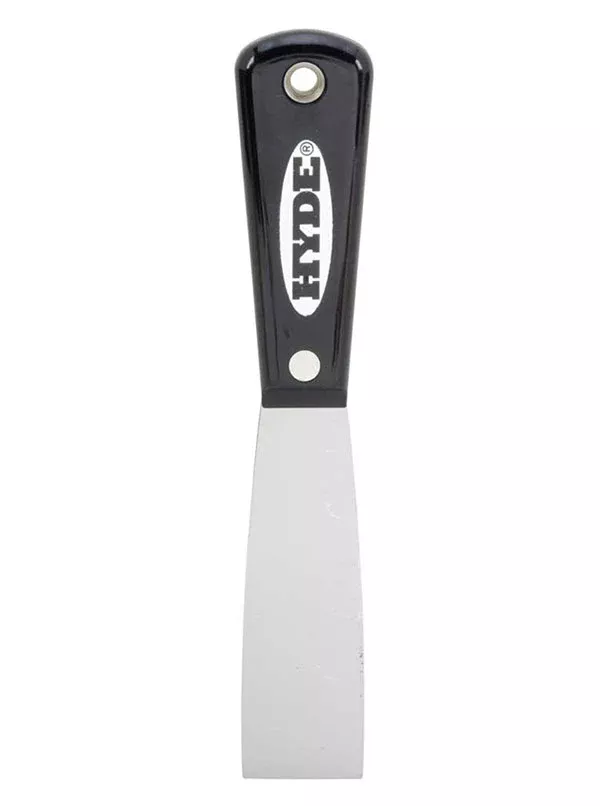
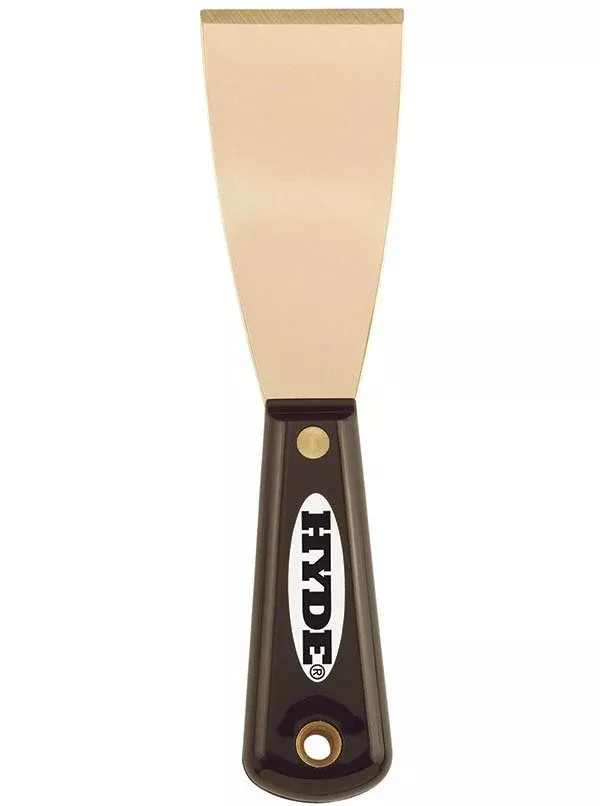
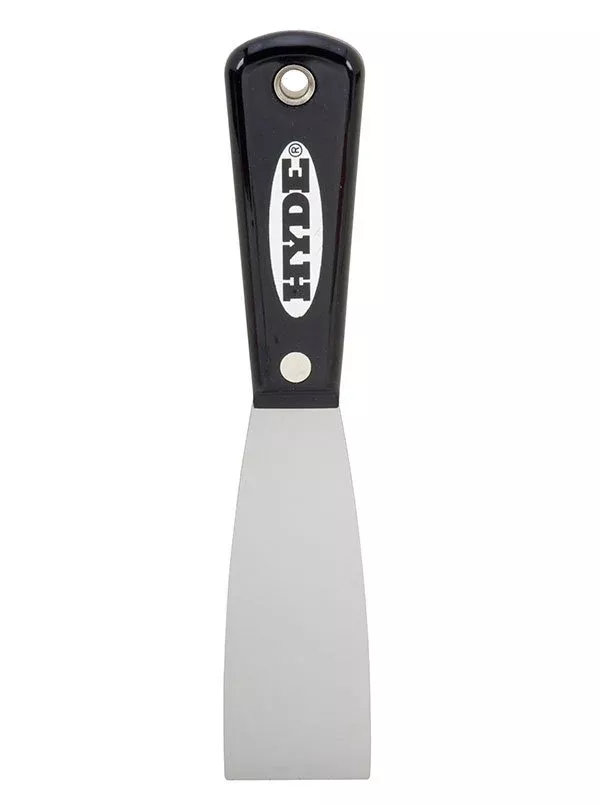
- High Carbon Steel Blade: Offers durability and sharpness for tough scraping tasks.
- Chisel Edge: Ideal for removing paint and putty with precision.
- Full-Tang Blade: Enhances strength and longevity of the scraper.
✕CHOOSE A DIFFERENT TOOL WHEN
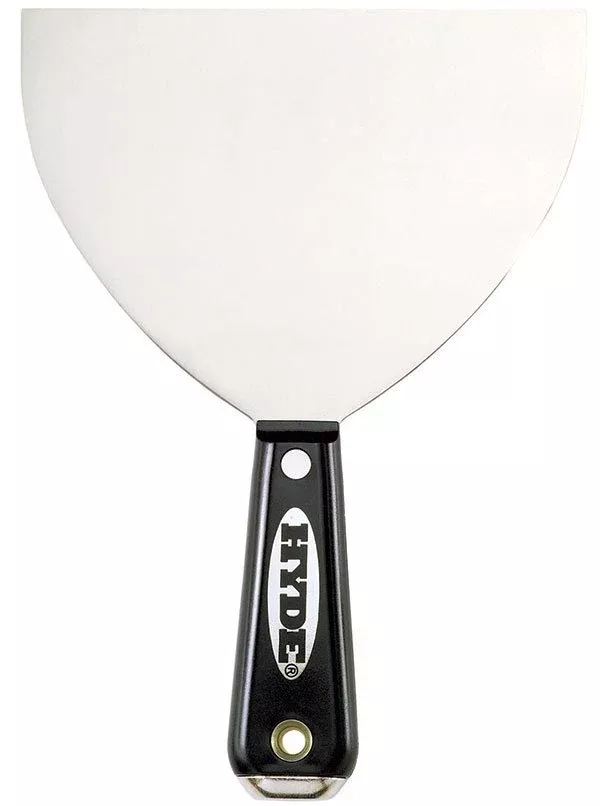
- Filling and finishing. A stiff blade cannot conform to a surface, and at four inches it bridges every hollow and leaves ridges at its corners. Bedding compound, spackle, skim, glazing — that is the flexible/apply half of the trade (the joint knives and flexible putty knives), never this tool.
- Striking, and resetting nails.
- The 02600 carries no Hammer Head® — there is nothing on it built to be hit or to set a fastener, unlike the Pro Project™ and Pro Stainless™ scrapers, which carry a striking boss for exactly that.
- Do not hammer its spine along a rabbet or drive it like a chisel with a mallet: it is a hand-push tool, and struck work belongs to the one knife built for it, the 40210 hacking knife.
- This is the same struck-tool boundary the glazing-putty guide states from the other side.
For these jobs—use this instead
THE JOB, THE REASON, AND THE BETTER TOOL✕ Struck chisel workIt is a hand-push tool, and struck work belongs to the one knife built for it, the 40210 hacking knife. BETTER TOOL Leather Handle Hacking Knife, 4-1/2” 40210 →
How the pros run it
01
Grip and drive
full fist on the nylon handle for power, the heel of your palm behind the tang, and push from the shoulder — a 4″ blade wants body weight, not wrist. Angle: low, 15–30°; the chisel should shear the coating off the surface, not plough into it. Bevel orientation: present the flat back of the single bevel toward the substrate to shave residue flush; roll the bevel toward the work only when you deliberately want the edge to bite and lift a thick plate. Edge care: high-carbon steel files to a keen, square scraping edge and holds it well, but it dulls on old paint and dents on grit — dress it with a mill file held square the moment it rolls or nicks, because a damaged edge on a wide blade prints every flaw across four inches at once. Rust discipline: carbon is not stainless. Wipe the blade dry after wet work and after any solvent or stripper contact, and a light oil film keeps the bloom off between jobs — the maintenance tax you pay for carbon’s keener, more easily restored edge. Keep it loaded: on cupped or uneven surfaces, take narrower bites within the blade’s width so the whole edge stays in contact and the corners aren’t doing the work alone.