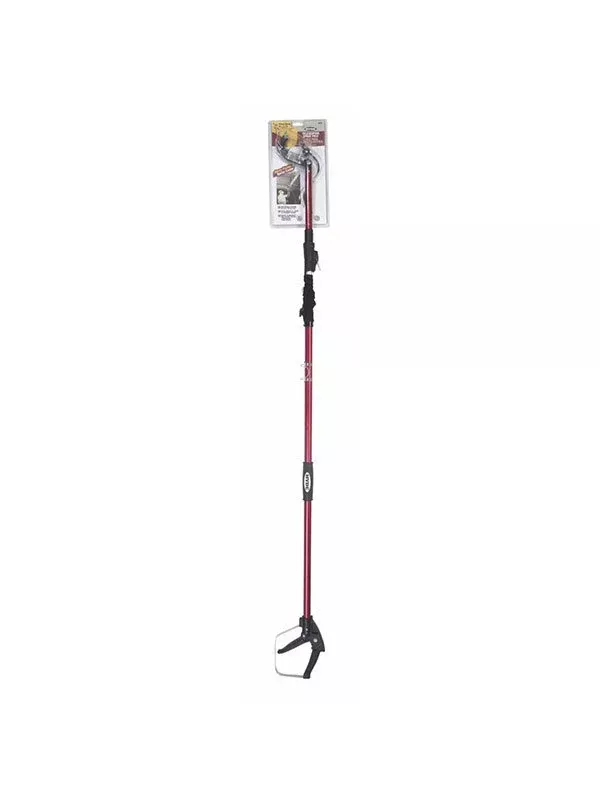
Is this the right tool for your job?
✓CHOOSE THIS WHEN
- The documented job is “Run Airless Reach Work Safely — The Complete Guide”.
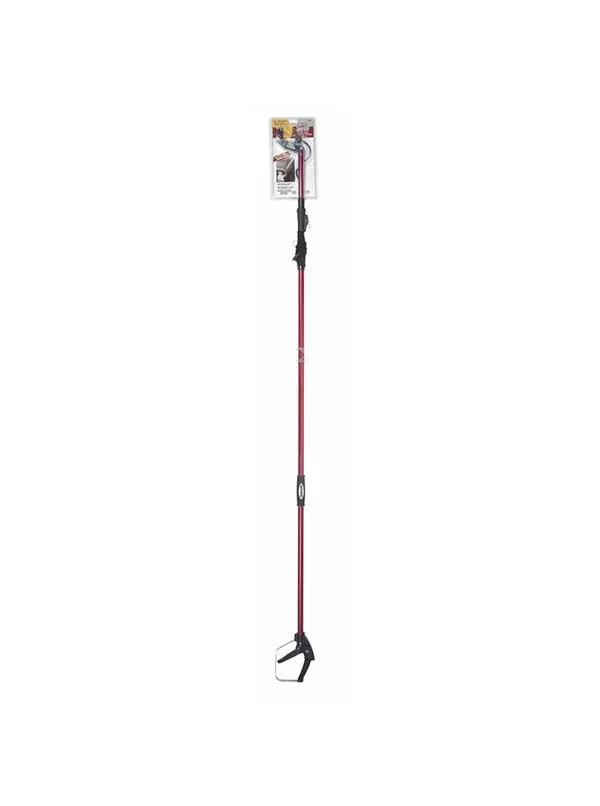
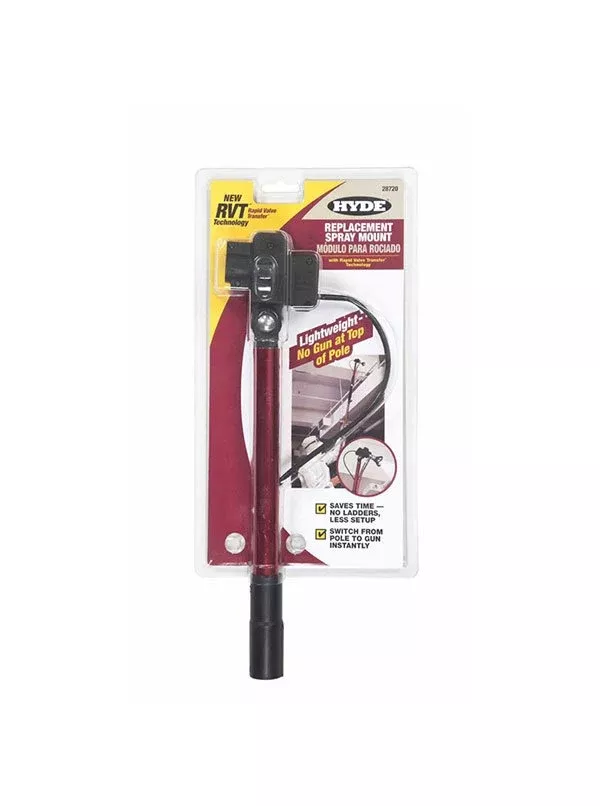
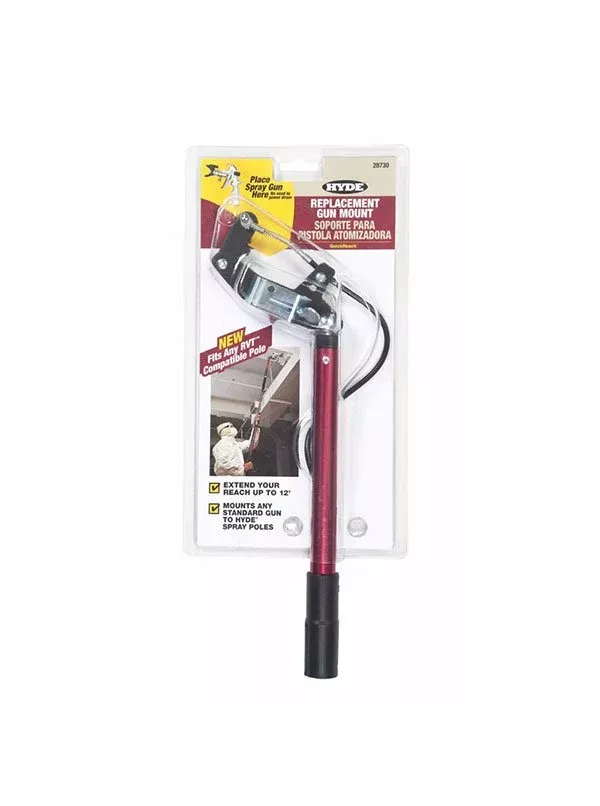
- Extensive Reach : Extend your painting reach from 12 square feet to a remarkable 212 square feet without moving an inch. Ideal for painting stairwells, dormers, ductwork, steel beams, truss work, and expansive surfaces.
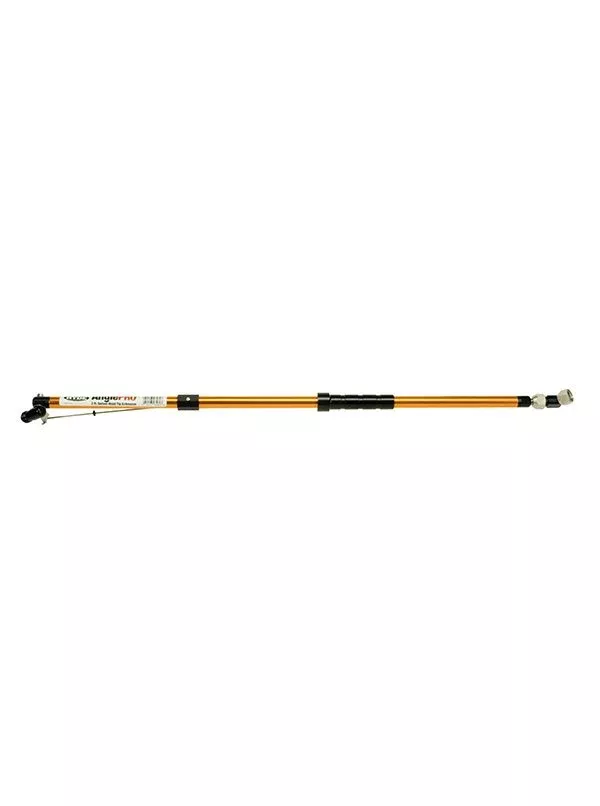
- Variable Lengths : Telescoping design ranges from 4-1/2 feet up to 12 feet, allowing you to quickly and easily adjust the pole length for each job or painting position.
- Anodized Aluminum Construction : The pole is made of easy-to-clean anodized aluminum, ensuring paint does not pass through the pole, maintaining its cleanliness and functionality.
✕CHOOSE A DIFFERENT TOOL WHEN
- Not for standard 8-to-9-foot rooms — its 5.5-foot minimum is a lot of pole under a low ceiling, and the 28670 exists precisely so you don’t carry this much reach into a bedroom repaint.
- Not for the two-story stairwell tower or true ladder-height exterior work — “up to 16′” is a boundary, and past it the 28690 is the tool.
- Not a finish instrument: anything inspected from eighteen inches gets a handheld gun.
- Not a cut-in tool — corners, casings, and ceiling lines stay hand work.
- And not a scaffold substitute for sustained single-height detail: the pole wins by walking, and work that pins you under one spot loses its advantage.
Jobs this tool does
EXACT JOB METHODS FOR HYDE №28680✓ Job guideRun Airless Reach Work SafelyOPEN JOB GUIDE →✓ Job guideHow to Spray a Two-Story Stairwell Without ScaffoldingOPEN JOB GUIDE →✓ Job guideHow to Spray Dormers and Gable EndsOPEN JOB GUIDE →✓ Job guideHow to Spray Exposed Structure — Ductwork, Steel Beams, and Truss WorkOPEN JOB GUIDE →
For these jobs—use this instead
THE JOB, THE REASON, AND THE BETTER TOOL✕ Standard-height roomsIts 5.5-foot minimum is a lot of pole under a low ceiling, and the 28670 exists precisely so you don’t carry this much reach into a bedroom repaint. BETTER TOOL 4.5′-6.5′ QuickReach Telescoping Spray 28670 →✕ Two-story towers and ladder-height work“up to 16′” is a boundary, and past it the 28690 is the tool. BETTER TOOL 7.5′-12′ QuickReach Max Telescoping 28690 →
How the pros run it
01
Feet, not arms
A wrist swing that costs an inch of standoff at gun length costs most of a foot at full pole — the pass soaks in the middle and dusts at the ends. Fix the pole to your frame and walk the pass; your legs are the only linear bearing on the job.
02
Metronome over eyesight
You cannot read film build on a 15-foot ceiling through glare, so stop trying: constant walk speed, constant standoff, half-fan overlap, and trust the rhythm. Where raking light exists, run the first pass in it and calibrate before committing the room.
03
Expect coarser feathering from the remote trigger
The grip’s trigger works through linkage (mechanism undescribed in claims), with less feel than the gun’s own blade. Start and end passes off the work where the geometry allows; where it doesn’t, lap onto the previous wet pass rather than attempting gun-style lace-outs at altitude.
04
Size the pole to the job — shorter is control
Every foot of pole past what the surface needs is leverage working against you. The 28680 collapses to 5.5 feet; run it there whenever the room allows, and extend only what the ceiling demands.
05
Fatigue is a scheduled variable
Hyde builds the family light — anodized aluminum, an easy-grip trigger aimed at exactly this — but a pole is still a lever held against gravity all day. Plan tall rooms in sessions; the arc problem returns on tired shoulders first.