
Is this the right tool for your job?
✓CHOOSE THIS WHEN
- Clean paint brushes up to 6″ and all paint rollers using centrifugal force. Durable steel construction with ball bearing mechanism for smooth operation. Prolongs life of brushes and rollers without harm to bristles.
✕CHOOSE A DIFFERENT TOOL WHEN
- It does not remove paint.
- Spinning an unwashed brush just atomizes wet paint across everything in range; the spinner is a drying and rinse-ejection tool, and washing (plus the comb for the heel) has to happen first.
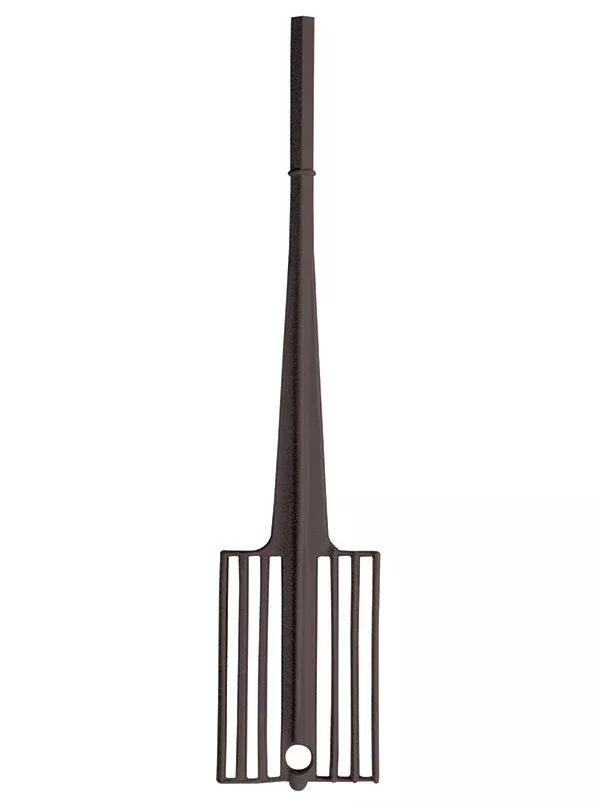
- It is not a substitute for the comb — centrifugal force never reaches the set ridge of paint at the ferrule that kills a brush; that is the comb’s job, and the two are used together, not instead of each other.
- It is not an open-air tool — used without containment it makes a spectacular mess.
- And it does nothing for dried, hardened fill: a spinner works liquid, not cured film.
Jobs this tool does
EXACT JOB METHODS FOR HYDE №43470✓ Job guideHow to Clean a Paint Brush Properly — Latex, Oil, and Unknown-Coating LanesOPEN JOB GUIDE →✓ Job guideHow to Clean and Revive Paint RollersOPEN JOB GUIDE →✓ Job guideHow to Paint Interior Trim, Doors, and WindowsOPEN JOB GUIDE →
How the pros run it
01
Contain the spray, always
A spinning brush or roller throws liquid in a 360° ring; do it inside an empty bucket, a tall pail, or a purpose-made spinner shield, never in the open sink or the driveway. Wash before you spin. The spinner ejects whatever is in the fill — if paint is still in there, it sprays paint; the tool dries a clean applicator, it doesn’t clean a dirty one. Short pumps, let the bearing carry it. The ball bearing spins the head up fast; a few smooth strokes do more than one hard shove. Spin between rinses, not just at the end, to stretch water and solvent. Solvent housekeeping: spin solvent-loaded brushes into a closed settling container so the pigment drops out and the clear thinner can be decanted and reused.