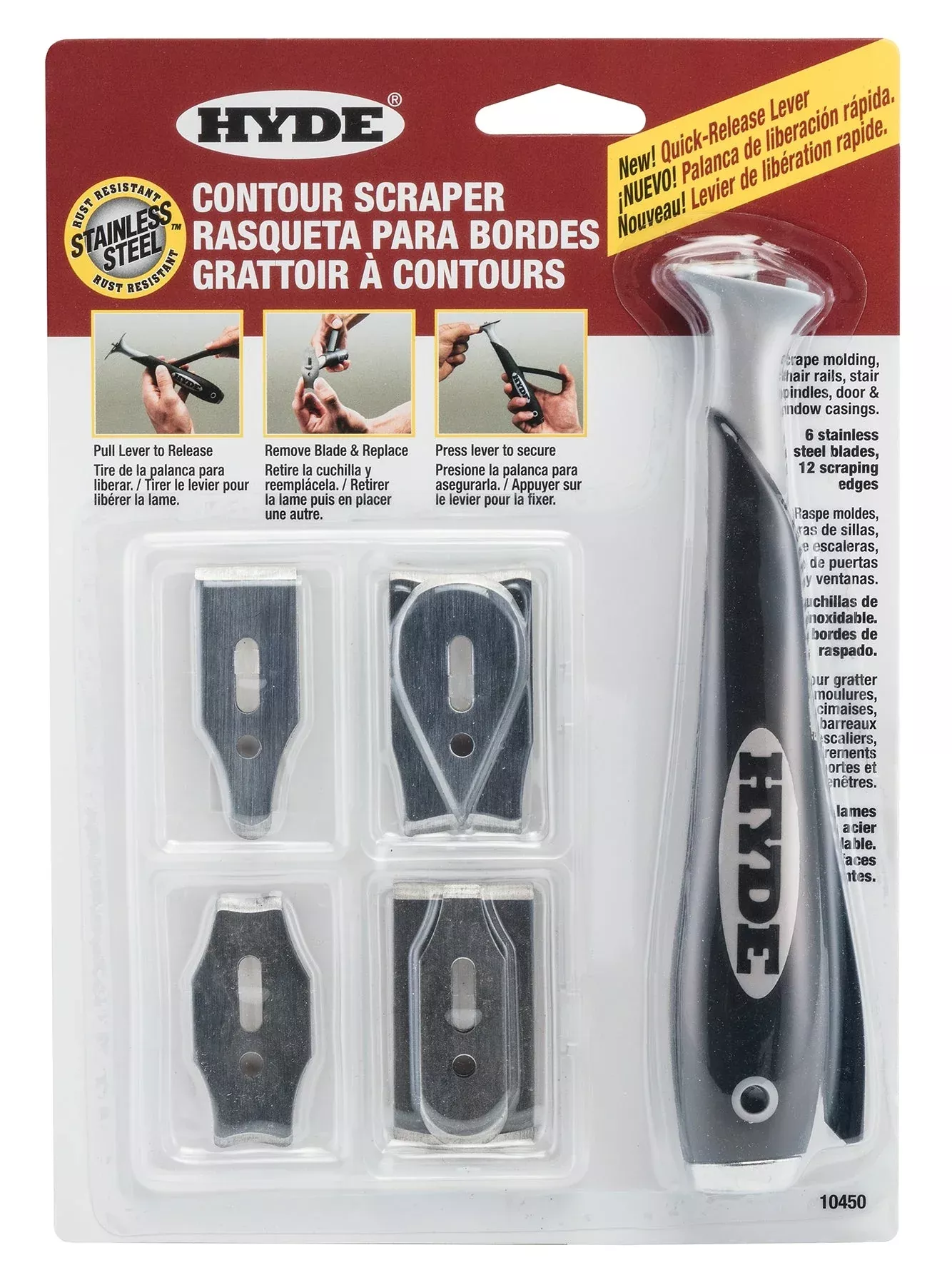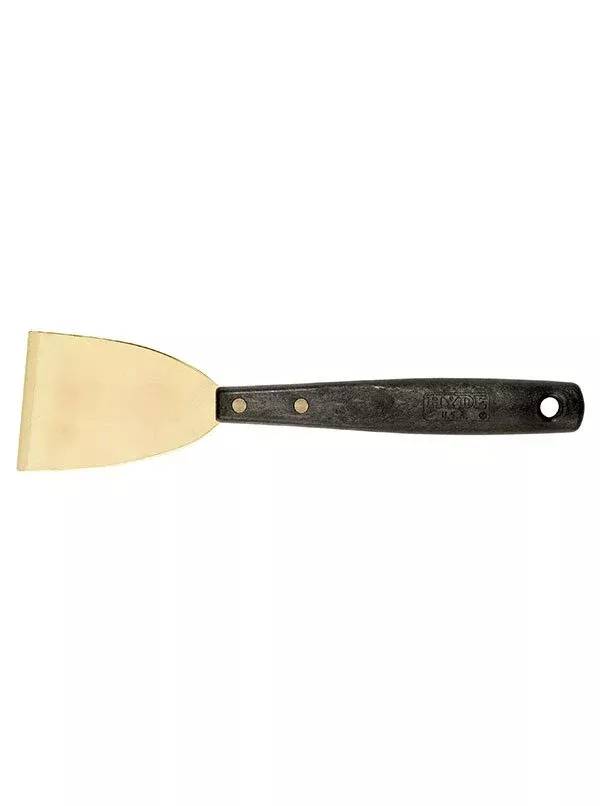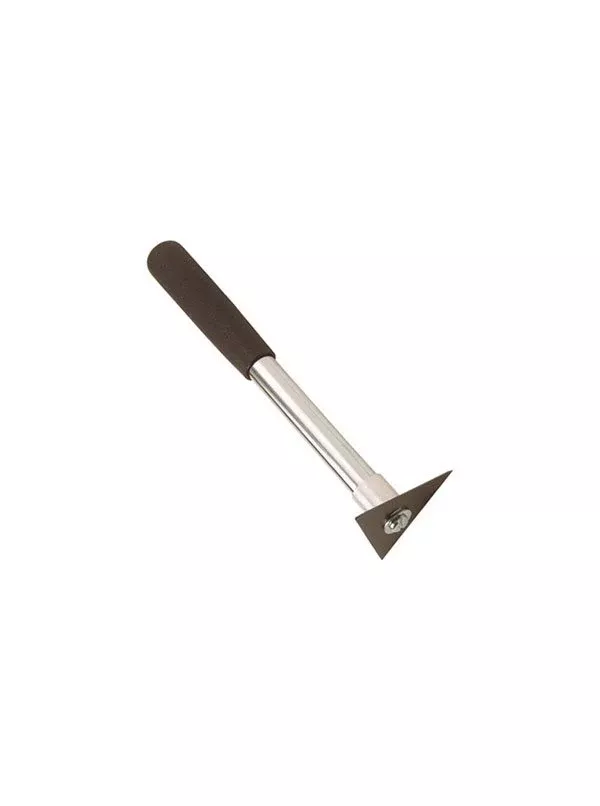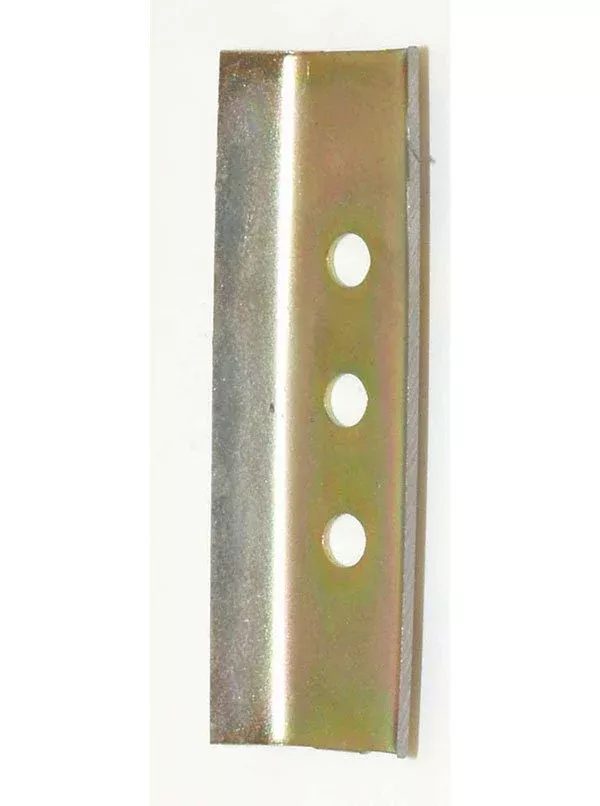
Is this the right tool for your job?
✓CHOOSE THIS WHEN
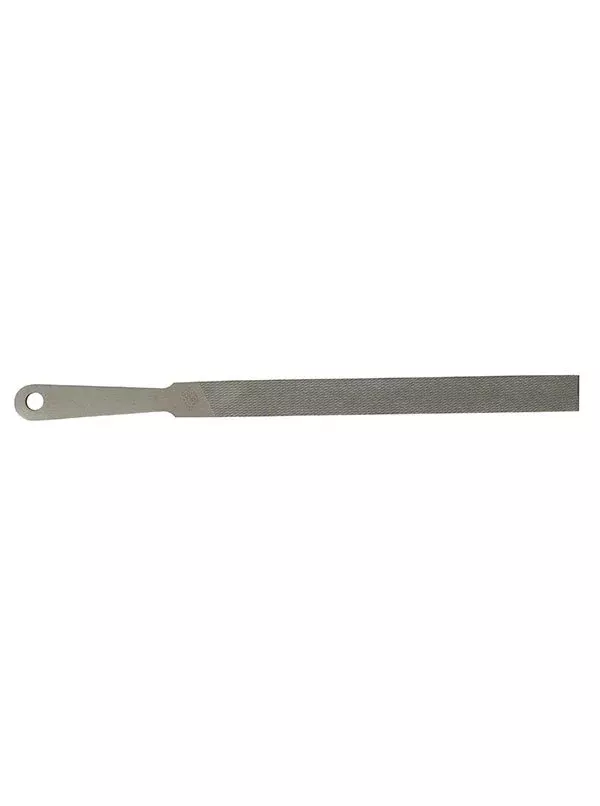
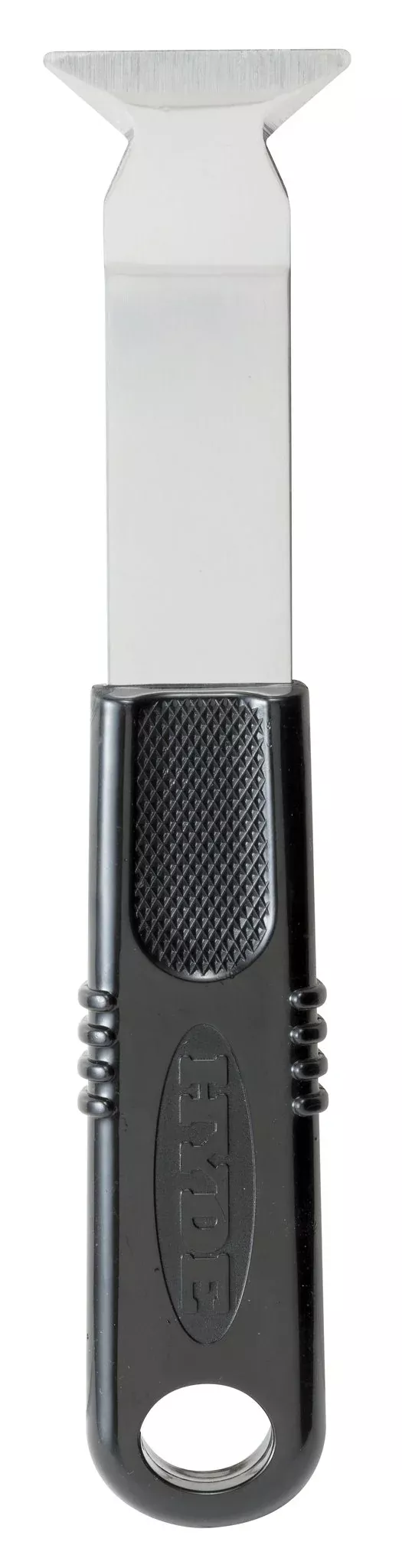
- Sturdy High Carbon Steel Blade : The blade is riveted for added strength, ensuring durability and reliability even in the most demanding tasks.
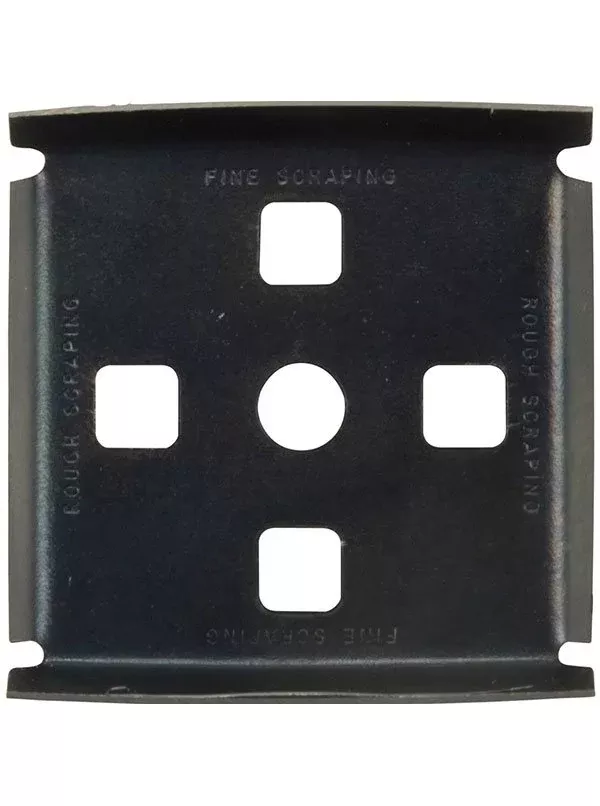
- Beveled Scraping Edge : Designed for both push and pull scraping, this feature allows for versatility and efficiency in various applications.
- Sharp Points on Both Sides : Effectively removes mortar, caulk, or grout with precision, making your work cleaner and more efficient.
✕CHOOSE A DIFFERENT TOOL WHEN
- Not a crack opener — a hairline crack in plaster or drywall that is about to be patched belongs to the wall-repair line’s specialist, per the routing in §5.
- Not a production regrout tool (§2b’s routing).
- Not a field paint scraper, and not the coatings-detail specialist either (§2d’s seam with the 10600).
- Not a pry bar — the bend in the blade is ergonomics, not a lever claim — and not a struck tool (no hammering claim exists; its line-mate the 19460 is the member that carries struck duty in print).
- Not a glazing tool: hardened putty against glass is delicate heat-and-hack work belonging to other patterns, and ground points working beside glass edges are the wrong bet.
Jobs this tool does
EXACT JOB METHODS FOR HYDE №43670✓ Job guideHow to Scrape Paint in Recesses and Tight WorkOPEN JOB GUIDE →
For these jobs—use this instead
THE JOB, THE REASON, AND THE BETTER TOOL✕ Prying and hammeringThe bend in the blade is ergonomics, not a lever claim — and not a struck tool (no hammering claim exists; its line-mate the 19460 is the member that carries struck duty in print). BETTER TOOL Heavy Duty Molding Puller 19460 →✕ Field scraping and coatings detailNot a field paint scraper, and not the coatings-detail specialist either (§2d’s seam with the 10600). BETTER TOOL MAXXGRIP PRO® Carbide 3-Edge Scraper 10600 →
How the pros run it
01
Thumb on the bolster, knuckles behind the bend
The claimed ergonomics are the technique: the thumb notch is the pressure point for controlled digging, and the blade’s bend is what keeps the driving hand above the work — hold the tool the way its anatomy says. Short strokes own the joint. An inch or two of controlled travel at a time; long sweeping digs are how points climb out of channels and into tile glaze and brick faces. Direction serves the corner. Push along open runs, pull out of dead ends — with a point facing each way, the tool never approaches a corner backward. Rotate the points. Two points are a working point and a spare; alternate them and the tool dulls at half speed. Keep them keen. Carbon steel hones: a few strokes of a fine file or stone along each point’s original grind, the bevel dressed flat, and the bite returns — a rounded point smears a joint instead of opening it. Wipe the blade. The claims put corrosion resistance in the handle; the carbon blade is yours to keep dry — after wet joints, softener chemistry, or rinse water, a wipe and a light film of oil. Neither pried nor struck. Points concentrate force going in; side-loading them in a joint or driving the tool with a hammer is how ground points die, and nothing in the record rates the tool for either (striking rating unclaimed; the line’s rule — struck duty is a design claim, never a default — applies).