Is this the right tool for your job?
✓CHOOSE THIS WHEN
- The documented job is “Repair a Drywall Stress Crack — The Complete Step-by-Step Guide”.
- The documented job is “Repair Cracks and Holes in Plaster and Stucco — The Complete Step-by-Step Guide”.
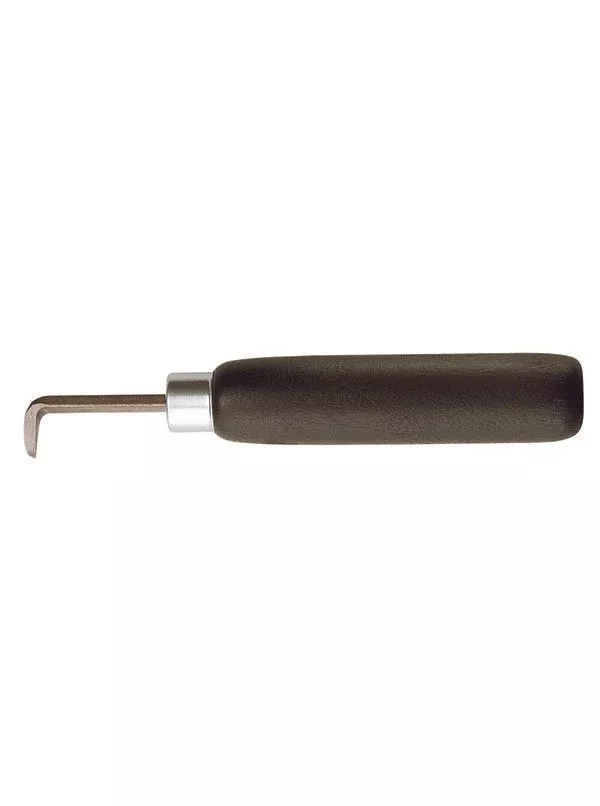
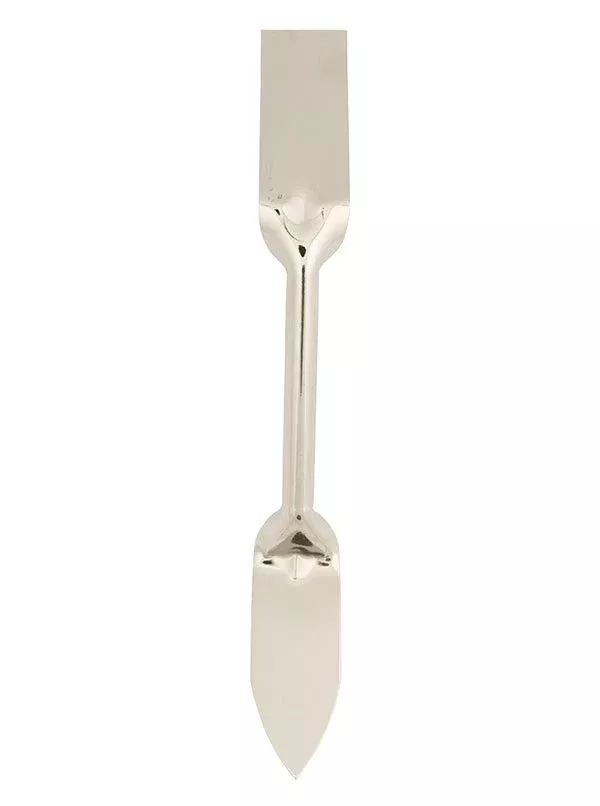
- Plated steel patching tool for drywall, masonry and plaster patching. Two ends: flat bell and pointed.
✕CHOOSE A DIFFERENT TOOL WHEN
- Not an opener: it widens nothing, cleans nothing, and cuts nothing — a hairline must be made fillable before this tool has a job (its partner’s page owns that half, and the pair’s system sentence closes §5).
- Not an area tool: the moment the repair is wider than the crack — a gouge, a patch of missing surface, anything with real width — a flexible putty knife wins, because the bell’s advantage exists only astride a narrow line (the line doc’s cross-call, carried from this side).
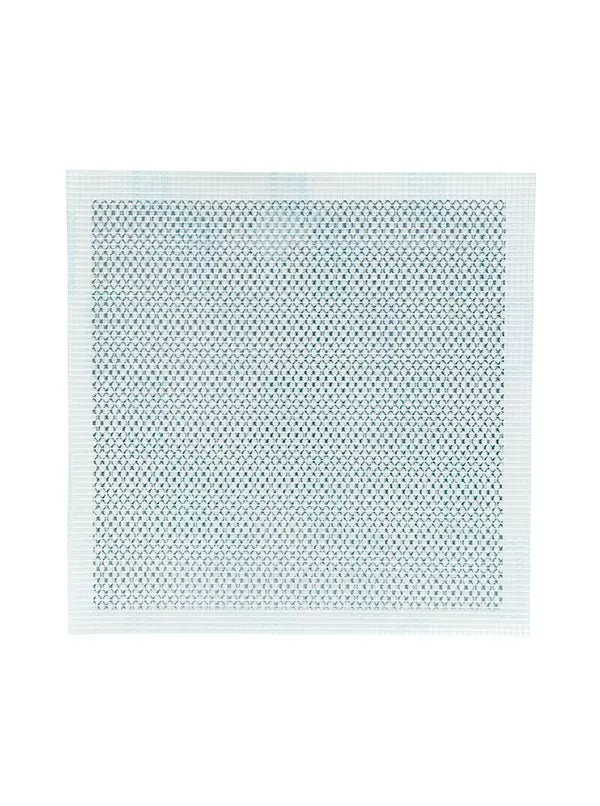
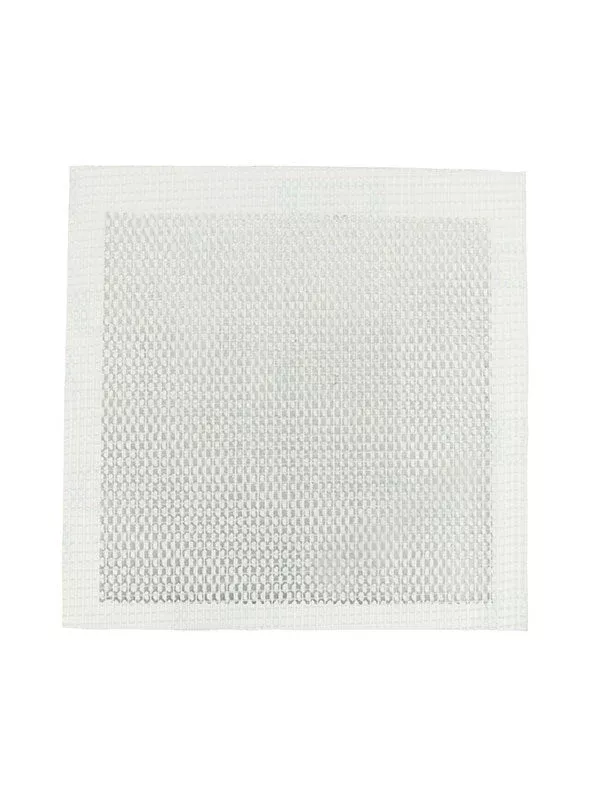
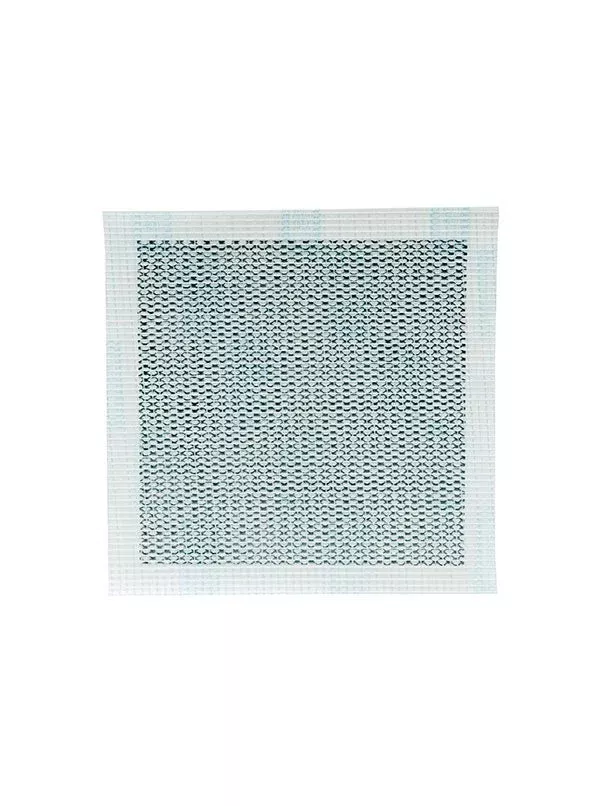
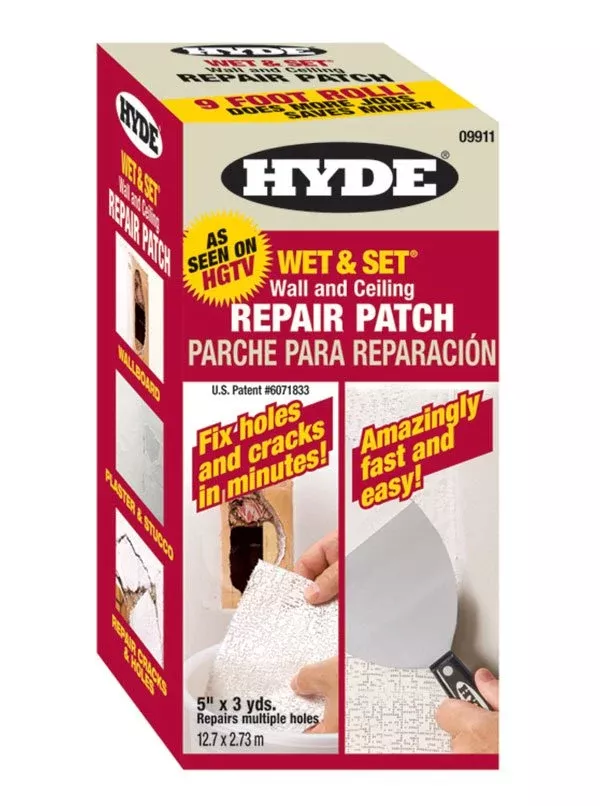
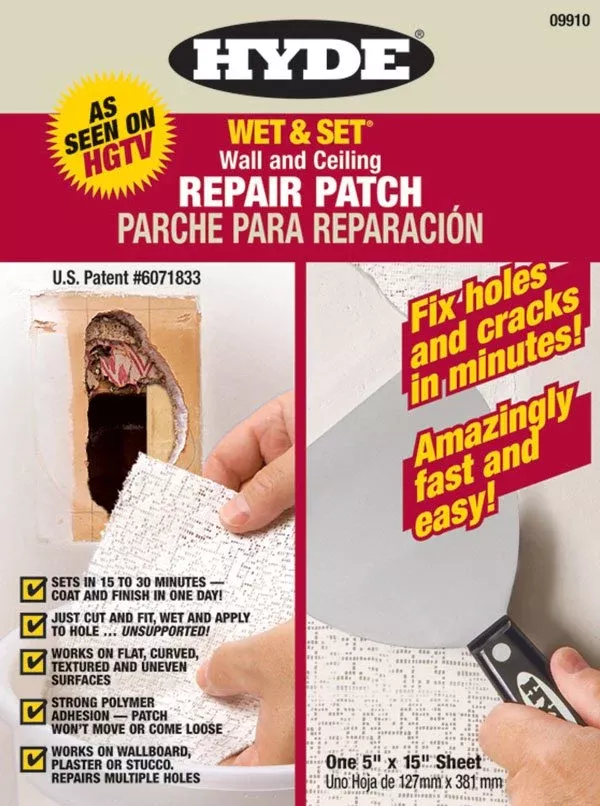
- Not a taping or skim tool, and not a patch substitute: area damage belongs to the bridges (09008, 09910/09911) and the finishing line.
- Not a caulk replacement: joints between dissimilar materials and joints designed to move (tub-to-tile, trim-to-wall, exterior expansion lines) want elastic sealant from the caulking aisle — rigid mineral fill in a working joint is the crack-skin failure in a different costume.
- And not a masonry restoration kit: §2c’s scope line stands — hairlines yes, moving or structural cracks no, tooled-profile finishes handed to the jointer.
Jobs this tool does
EXACT JOB METHODS FOR HYDE №45450✓ Job guideRepair a Drywall Stress CrackOPEN JOB GUIDE →✓ Job guideRepair Cracks and Holes in Plaster and StuccoOPEN JOB GUIDE →✓ Job guideRepair Hairline Masonry CracksOPEN JOB GUIDE →
For these jobs—use this instead
THE JOB, THE REASON, AND THE BETTER TOOL✕ Taping, skimming, and patchingArea damage belongs to the bridges (09008, 09910/09911) and the finishing line. BETTER TOOL Wet & Set® Wall & Ceiling Repair Patch 09911 →
How the pros run it
01
Small loads, close work
The target is a line; load for the line. Pack to depth before length. Down, then along — filler that reaches the undercut is anchored; filler that bridges at the shoulders is a skin with a channel of air under it. Iron along the line, never across it. The bell rides the crack’s direction; crossing strokes dish the fill and scar the shoulders. Proud by a whisker, then let it shrink. Drying fillers sink at depth; plan the second pass instead of overloading the first. Switch ends, not tools. The rhythm is pack a reach, iron it, advance — the double-ended design exists so the rhythm never breaks. Plated steel cleans now, not later. The plating is the tool’s claimed surface; wipe compound off wet, and never let cement-based filler cure on the steel — cured cement comes off steel badly, and a crusted bell irons nothing. No numbers invented. How long the tool is, how wide the bell spans — unclaimed ; the technique above is true at any plausible size, which is exactly why no guess is needed.