Is this the right tool for your job?
✕CHOOSE A DIFFERENT TOOL WHEN
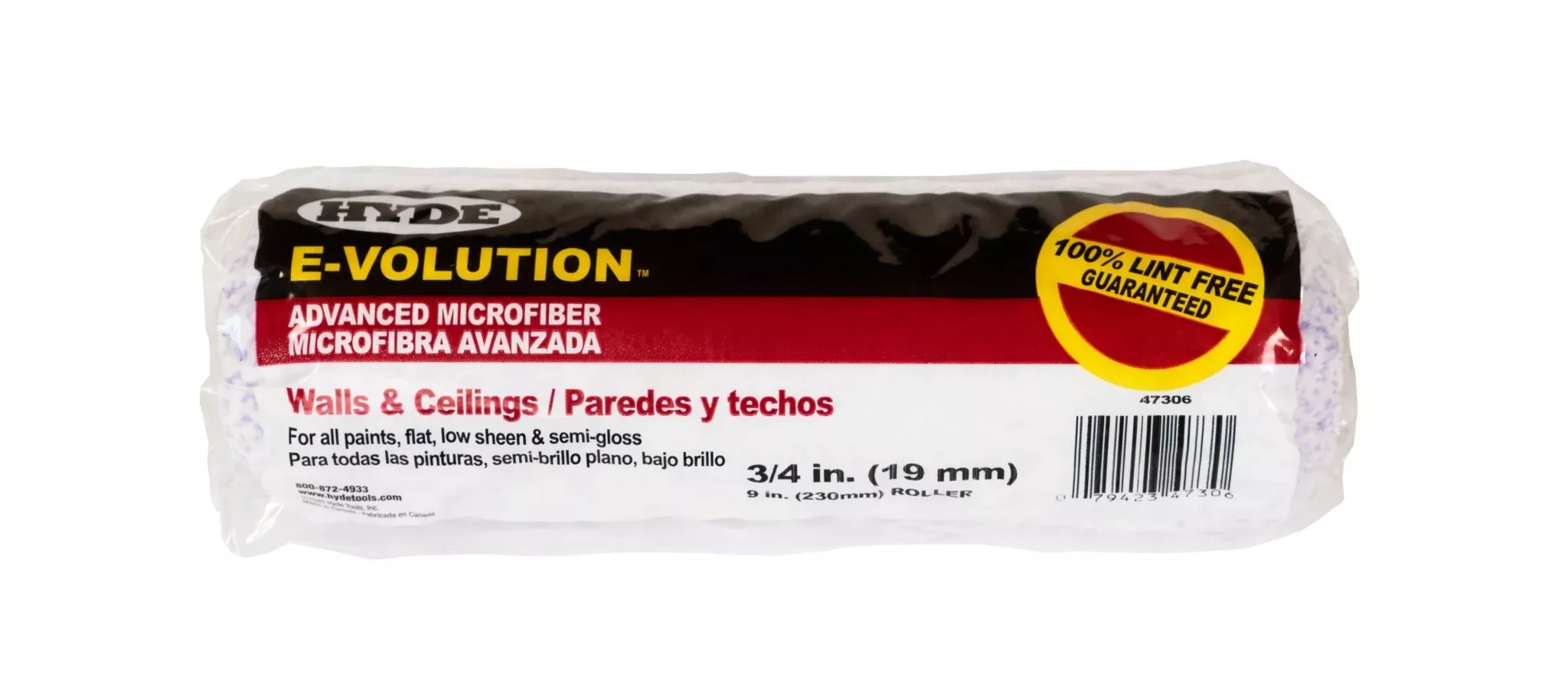
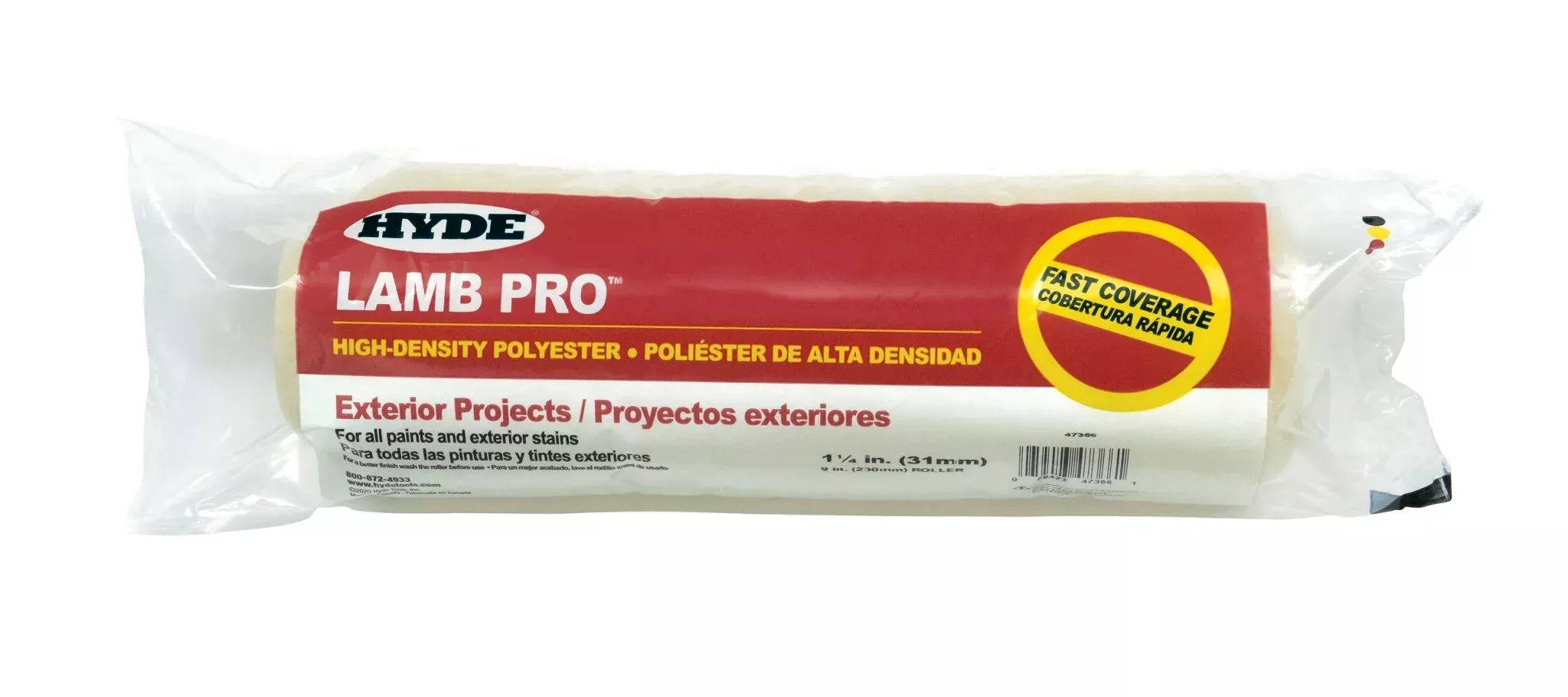
- Anything smooth or lightly textured. A 1-1/4″ nap on a smooth or light-texture wall is the extreme over-napping failure: heavy stipple, flung spatter as the very long fibers whip off the surface, fat edge-beads at every pass. Smooth-to-light exterior surfaces are the 3/8″ 47361 and 1/4″ 47360; the smooth interior wall is a different fabric entirely.
- Semi-rough surfaces the 3/4″ already handles. On heavy knockdown, brick with tight joints, and rough-sawn siding the 47366 over-textures and floods; that is the 3/4″ 47365’s rung, and stepping up to 1-1/4″ there wastes paint and coarsens the finish for no reason.
- Fine finish, gloss, or feature work — categorically. This is the opposite end of the ladder from the finish covers; it never belongs near a door, a cabinet, or a wall meant to look smooth.
- Production masonry where an 18″ would help — because it doesn’t exist here. This rung is 9″-only in the catalog; there is no 18″ 1-1/4″ cover, so a large coarse-masonry field is run with the 9″ 47366 (multiple covers, pole work), not a double-wide. Honest scope: the width you want for a big smooth field is not offered at this nap.
Jobs this tool does
EXACT JOB METHODS FOR HYDE №47366✓ Job guideHow to Match Roller Nap to Surface — The Buyer’s Master KeyOPEN JOB GUIDE →✓ Job guideHow to Paint Stucco, Brick, and MasonryOPEN JOB GUIDE →
For these jobs—use this instead
THE JOB, THE REASON, AND THE BETTER TOOL✕ Semi-rough surfaces the 3/4″ already handlesOn heavy knockdown, brick with tight joints, and rough-sawn siding the 47366 over-textures and floods; that is the 3/4″ 47365’s rung, and stepping up to 1-1/4″ there wastes paint and coarsens the… BETTER TOOL 9″ Lamb Pro Roller Cover 47365 →✕ Anything smooth or lightly texturedA 1-1/4″ nap on a smooth or light-texture wall is the extreme over-napping failure: heavy stipple, flung spatter as the very long fibers whip off the surface, fat edge-beads at every pass. BETTER TOOL 9” Lamb Pro Roller Cover 47361 →
How the pros run it
01
Pump, never press — this is the rule the whole cover is built around
The deep nap delivers paint by carrying volume and releasing it into texture; pressing flattens the fibers, defeats the reach, and leaves the crater floors dry. Work the loaded nap at the weight of your hand and let the fibers do the reaching. Roll in more than one direction on coarse texture, so coating drives into the pockets from multiple angles rather than tenting over them. Load it full and reload often — a 1-1/4″ nap is the biggest tank in the catalog and the surfaces are the thirstiest, so keep it fed; a starved deep-nap cover skips the very pockets it exists to fill. Expect masonry to consume the cover — the coarsest CMU and stucco chew even a polyester nap, and a cover packed with dried masonry paint is spent; plan for it (there is no shame in retiring a cover a coarse wall has finished). Pole up — masonry fields are large and often high; the 1-1/2″ core threads onto a standard frame and pole. Clean by the coating while it is fresh, or accept the cover as consumed.