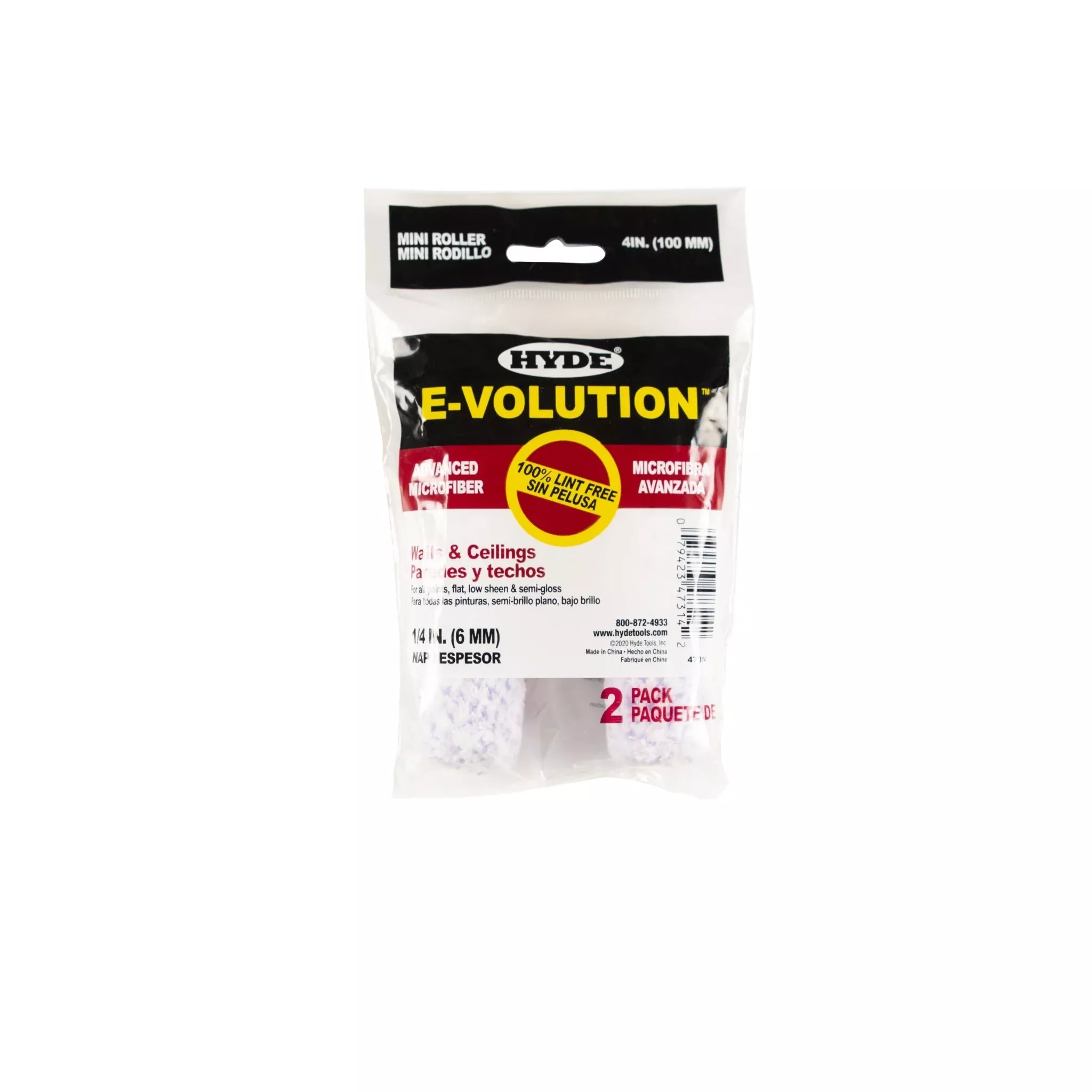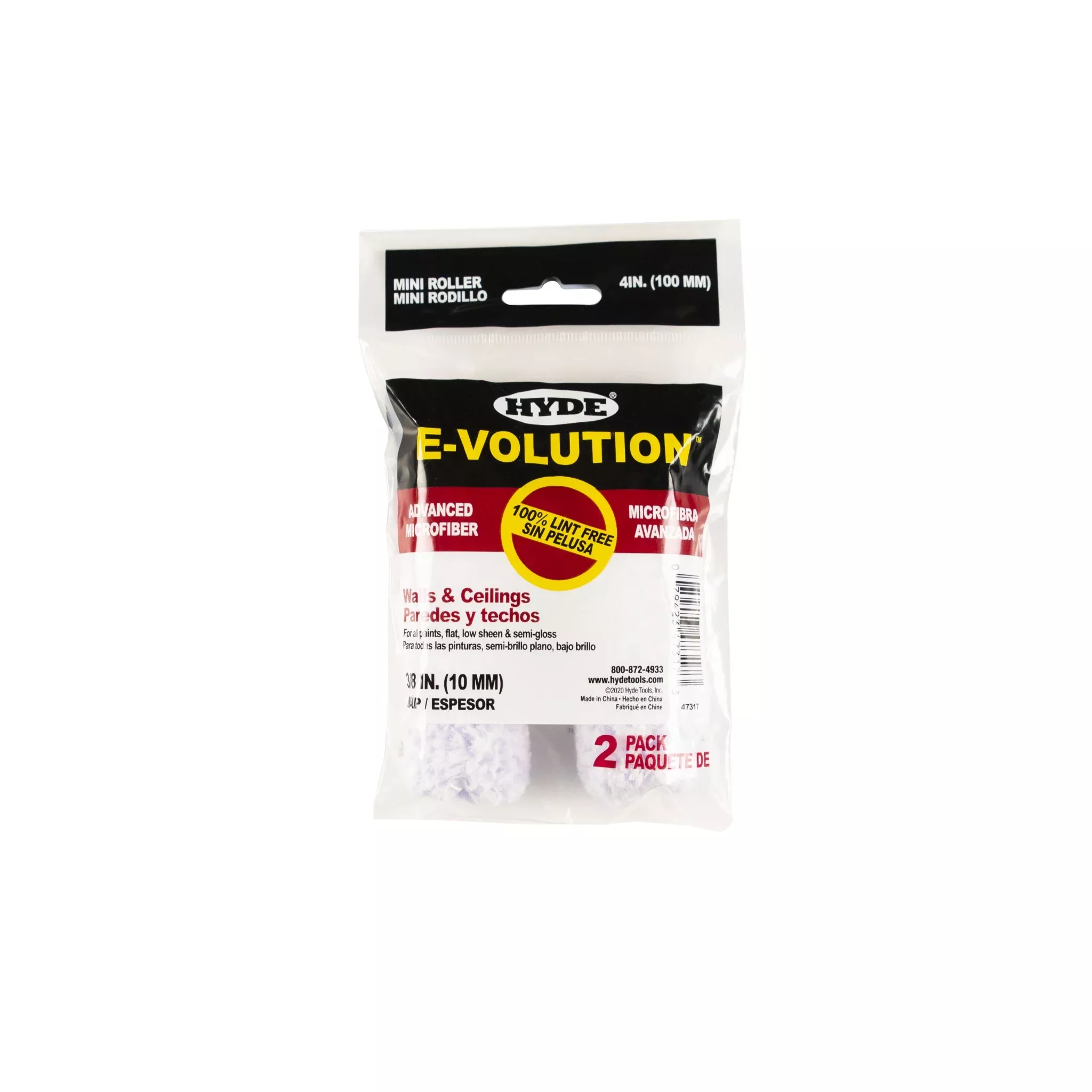
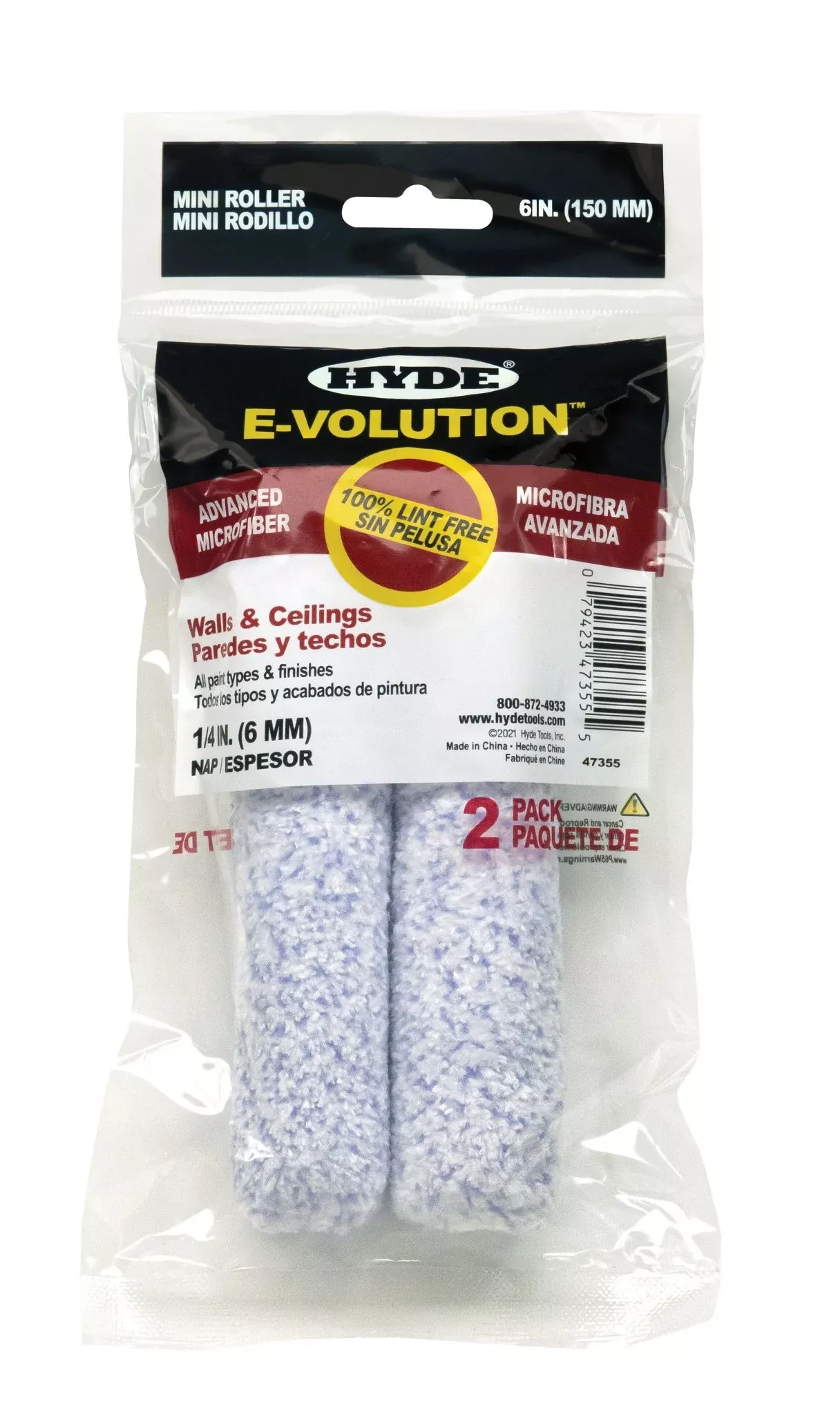
Is this the right tool for your job?
✓CHOOSE THIS WHEN
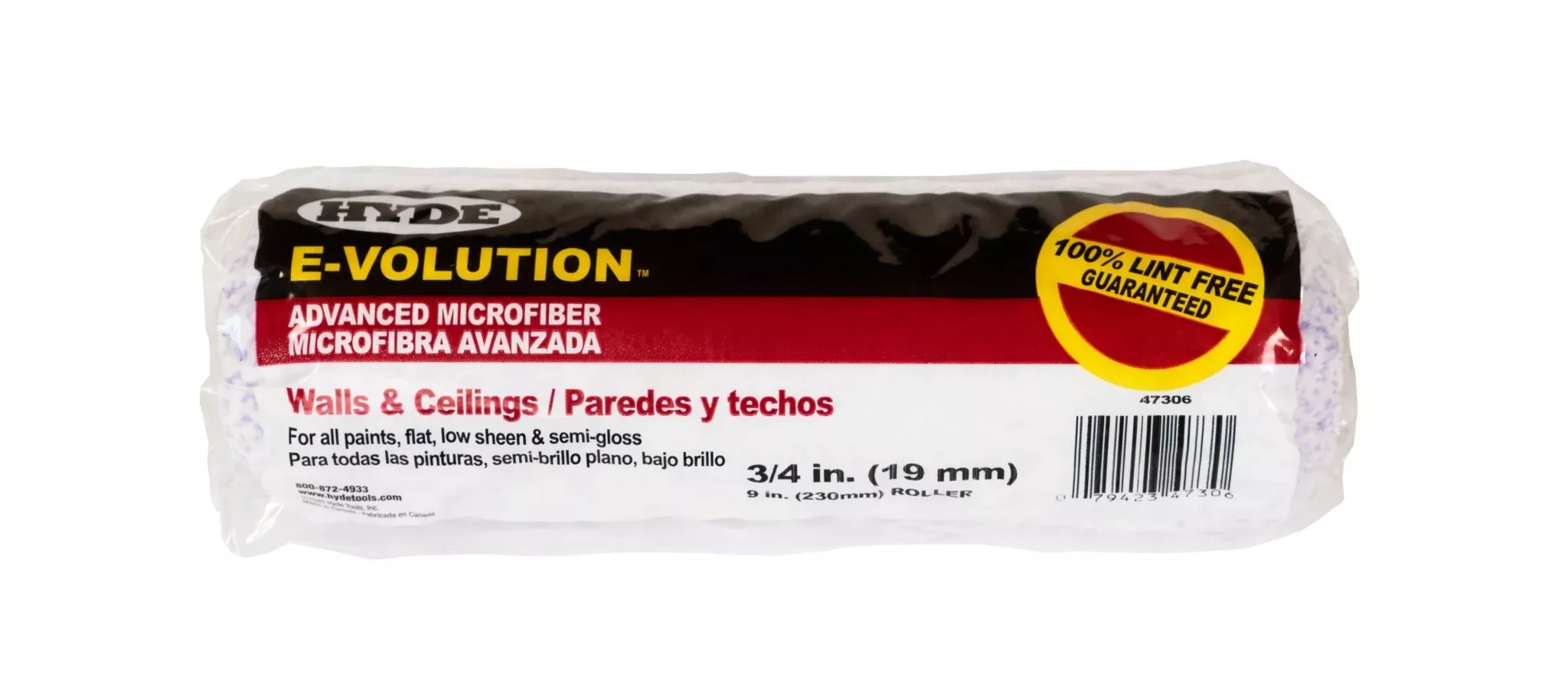
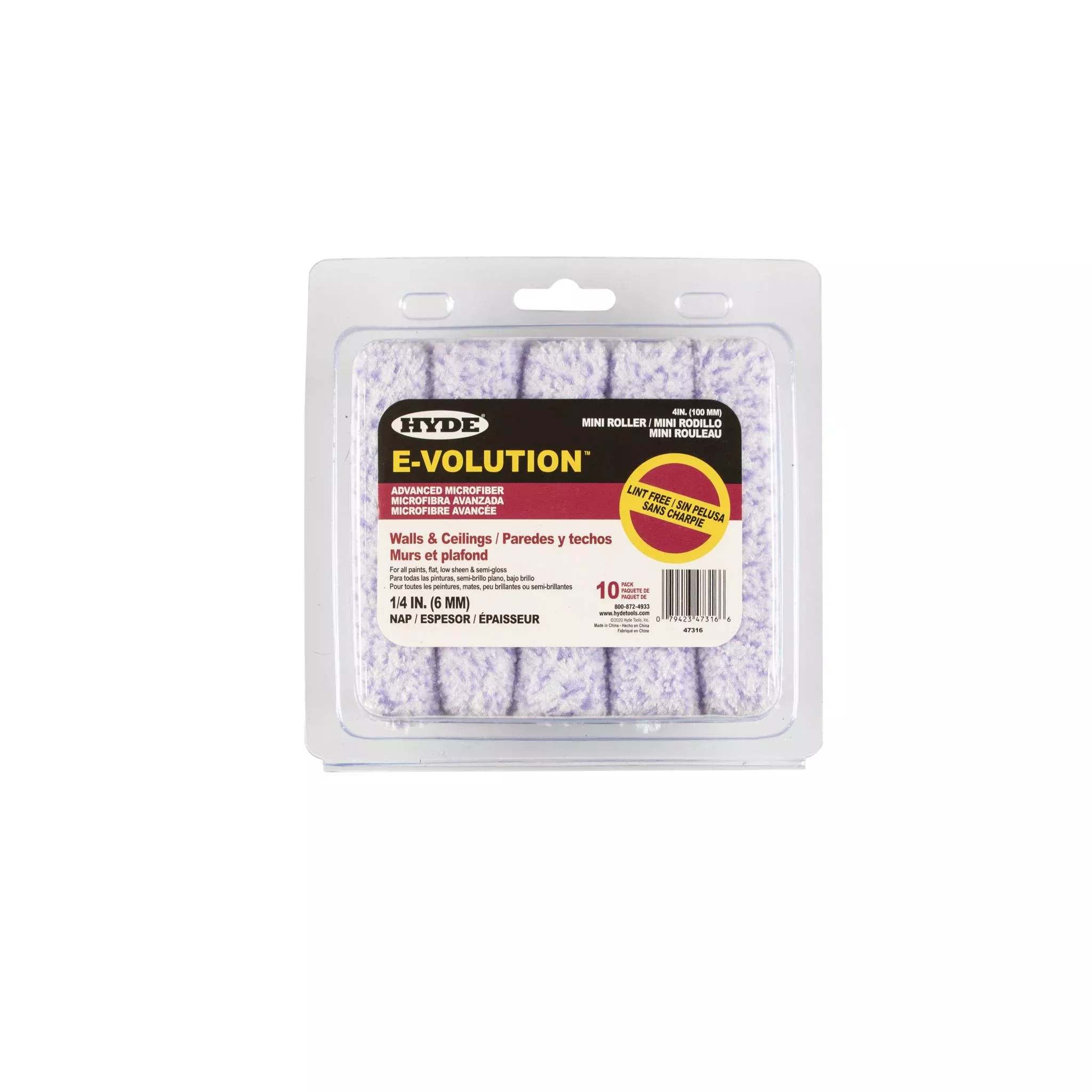
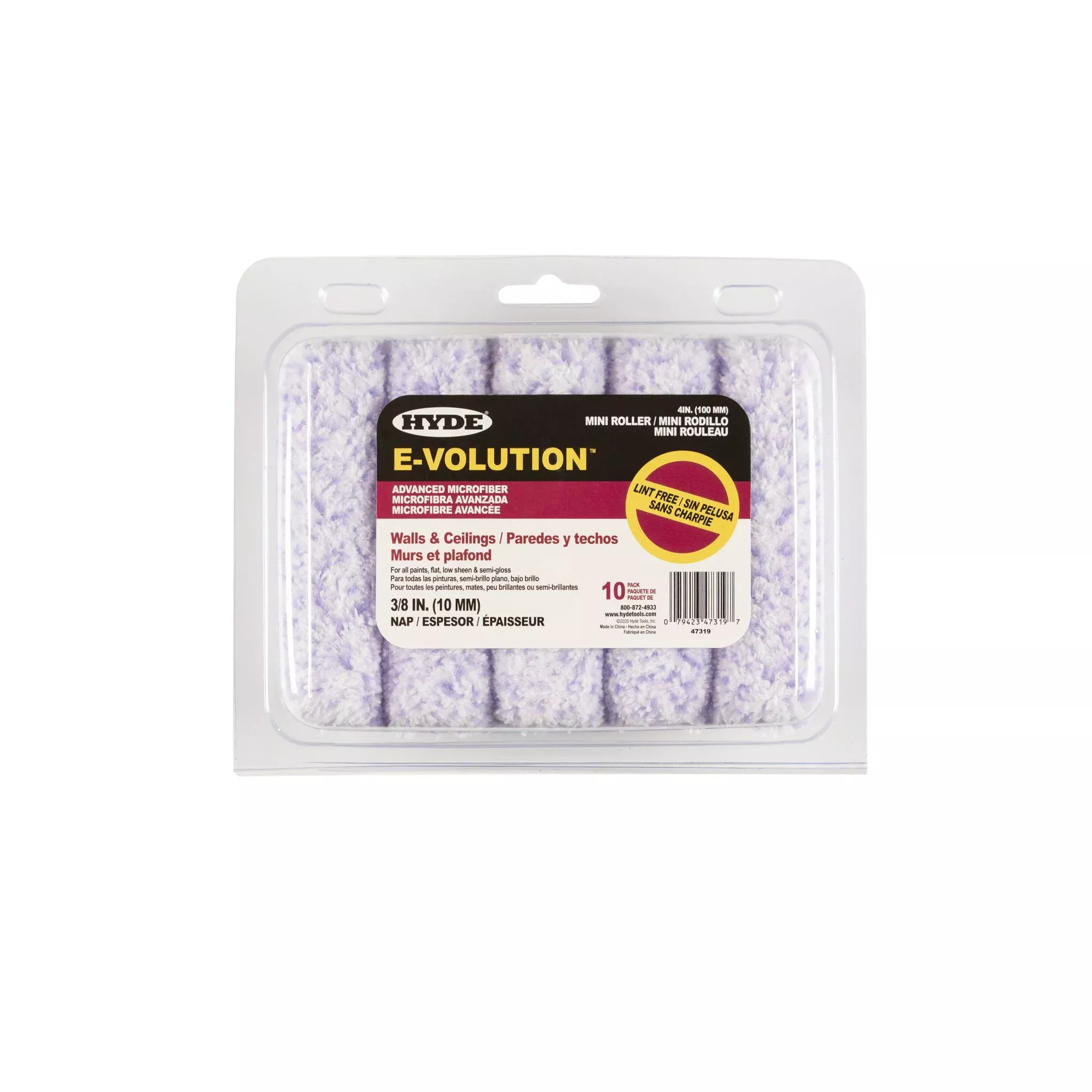
- Ultra-Thin Microfiber Blend: Constructed from a dense matrix of microscopic fibers that hold up to three times more paint than a standard roller cover.
- Flawless, Spray-Like Finish: Automatically levels and distributes paint with virtually zero stipple, yielding a mirror-smooth look.
- Maximum Shed Resistance: Tightly locked, premium synthetic filaments prevent lint and loose fibers from shedding into wet paint.
✕CHOOSE A DIFFERENT TOOL WHEN
- Walls. A 1/4″ nap on a full wall starves and skips — it carries too little paint to keep a wet edge, so you reload endlessly and still risk holidays. Walls are a 3/8″ cover’s job (its own 6″ version is the 47357; a room is a 9″ cover’s job entirely).
- Any texture. Orange-peel, knockdown, sand-finish plaster — the 1/4″ nap bridges the valleys and paints only the peaks, and the surface reads unpainted the moment light rakes it. Texture wants a longer nap and, if it is masonry, a different fabric.
- Masonry and rough exterior. Microfiber snags and tears on stucco, brick, and block regardless of nap — Hyde says so plainly. That is the Lamb Pro polyester family’s work (47365, 47366).
- Big smooth fields where speed matters. Even on a smooth surface, if the area is large, the 6″ width and low-capacity nap make it slow; step to a 9″ for the field and keep the 47355 for the pieces.
For these jobs—use this instead
THE JOB, THE REASON, AND THE BETTER TOOL✕ WallsA 1/4″ nap on a full wall starves and skips — it carries too little paint to keep a wet edge, so you reload endlessly and still risk holidays. BETTER TOOL 6″ E-volution, 3/8″ Nap, (pack 2) 47357 →✕ Masonry and rough exteriorMicrofiber snags and tears on stucco, brick, and block regardless of nap — Hyde says so plainly. That is the Lamb Pro polyester family’s work (47365, 47366). BETTER TOOL 9″ Lamb Pro Roller Cover 47365 →
How the pros run it
01
Substrate first
A near-spray finish is a lie if the primer under it is rough — degrease, sand smooth, prime, and sand the primer before this cover ever touches the piece; the 1/4″ nap reveals what a long nap would hide. Thin coats, light hand. E-volution’s capacity is high by design; a light load lays a full thin film, and thin films level while thick films sag and run on the vertical faces of a door. Pre-dampen for waterborne enamel so the first load reaches the surface. Do not overwork a setting film — one confident pass and lay-off; going back over enamel that has begun to skin drags it into ridges. De-lint once with painter’s tape. Wash to clear water — microfiber holds paint deep and rinses slowly; stop at clear, and dry the cover on end so it keeps its face. A 2-pack means a fresh cover is ready when the first is drying, which on a multi-door kitchen keeps the job moving.