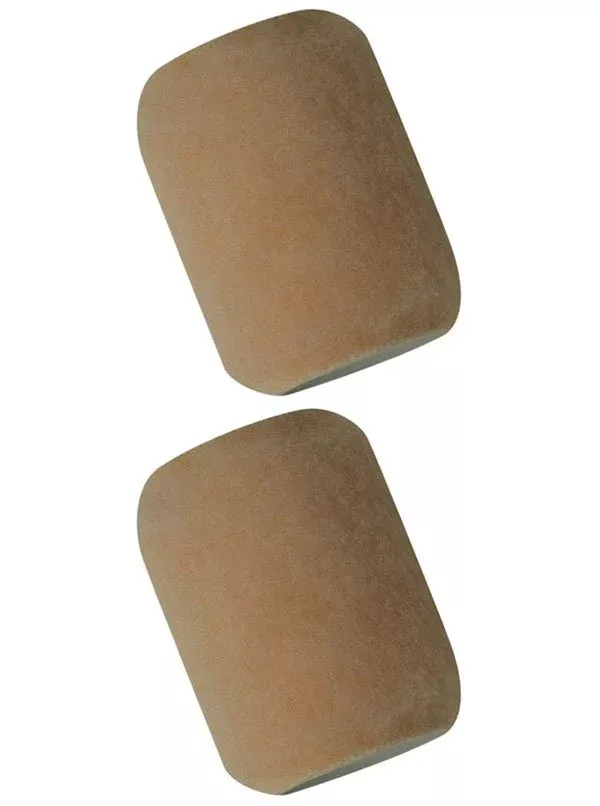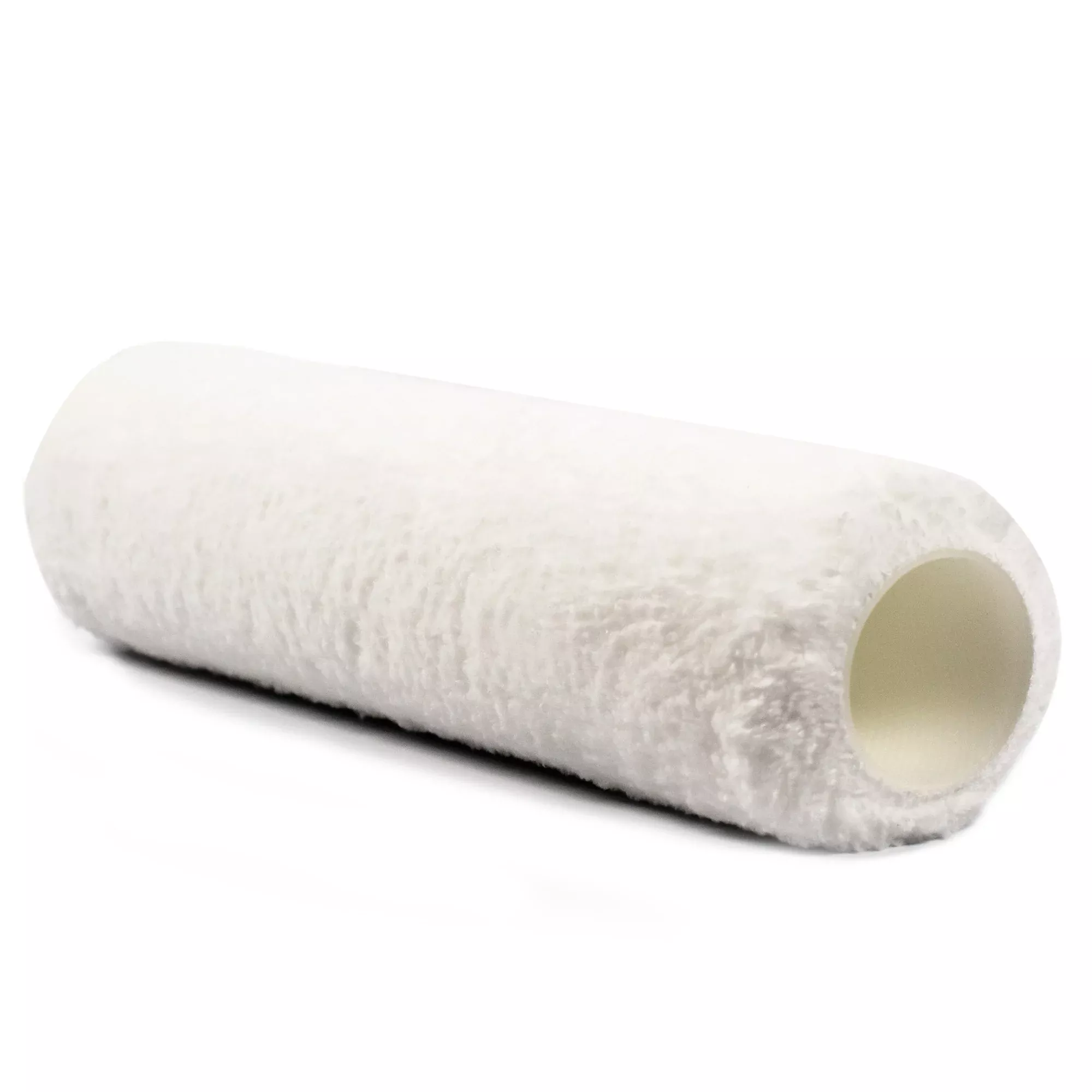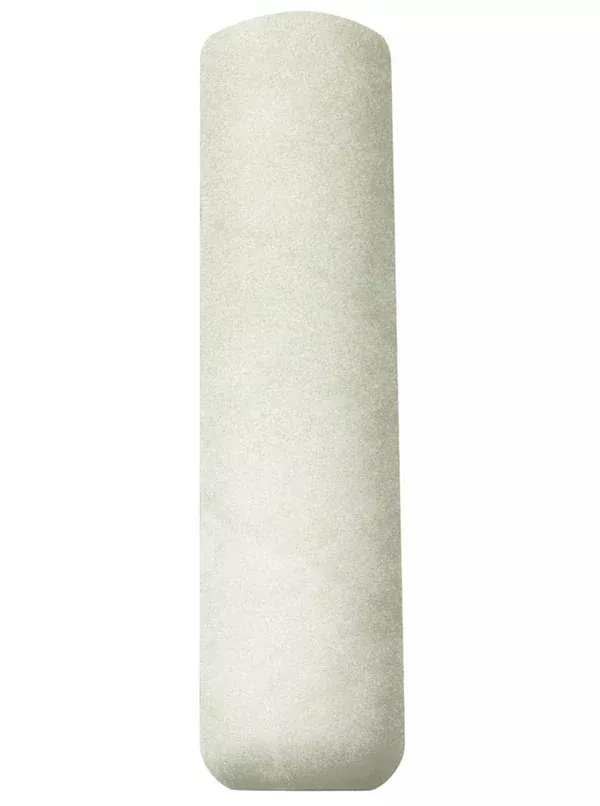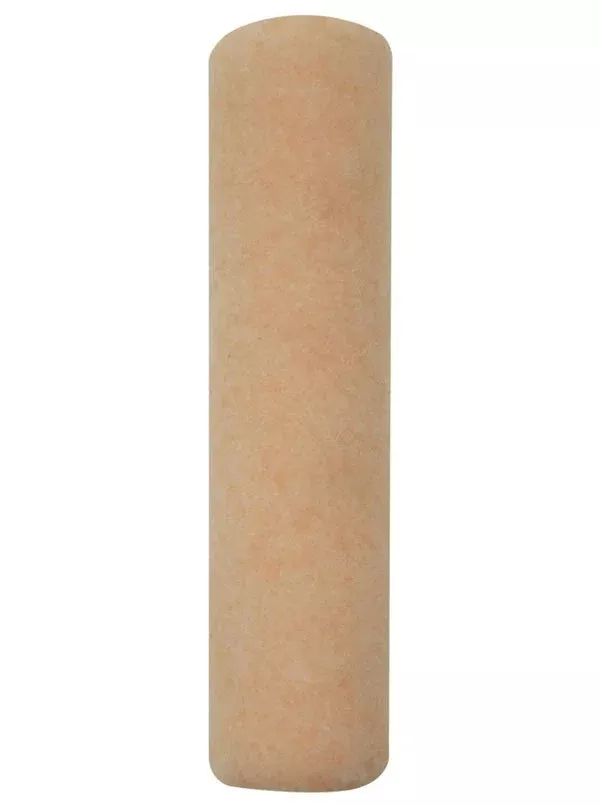
Is this the right tool for your job?
✕CHOOSE A DIFFERENT TOOL WHEN
- Big open surfaces and glass-smooth gloss.
- A 4″ cover crawling across a full wall is the wrong width — that’s a 9″ job; the mini is for what the 9″ can’t reach.
- And at 3/8″ it is a wall-weight nap, not the thinnest gloss film: a mirror-flat cabinet door in high-gloss enamel wants the 1/4″ (94010) or a foam mini, where the shorter nap lays less stipple.
- It is also not a texture or masonry tool — 3/8″ bridges anything rougher than light knockdown.
- And it is not a cut-in-against-a-second-color tool; a roller has no edge to hold a line — that’s brush or edger work.
For these jobs—use this instead
THE JOB, THE REASON, AND THE BETTER TOOL✕ Mirror-flat gloss filmsAnd at 3/8″ it is a wall-weight nap, not the thinnest gloss film: a mirror-flat cabinet door in high-gloss enamel wants the 1/4″ (94010) or a foam mini, where the shorter nap lays less stipple. BETTER TOOL 4” roller cover, 1/4” pile 94010 →
How the pros run it
01
Light hand, small tool, same rules
A 4″ cover holds little paint, so reload often rather than pressing to stretch a load — a pressed mini beads fat edges just like a full roller. Load off a mini tray or the small end of a grid to no-drip, and lay off each small area in one direction so its stipple aligns with the field it sits in. De-lint even a lint-free woven cover before the first pass — “lint-free” is about the woven fibers staying put in use, not an excuse to skip the tape-and-rip on a brand-new nap. Cleanup: a woven Pro cover is worth keeping — rinse warm water through the weave until clear, spin it, and stand it on end to dry so it doesn’t develop a flat spot that thumps a line onto the next job.