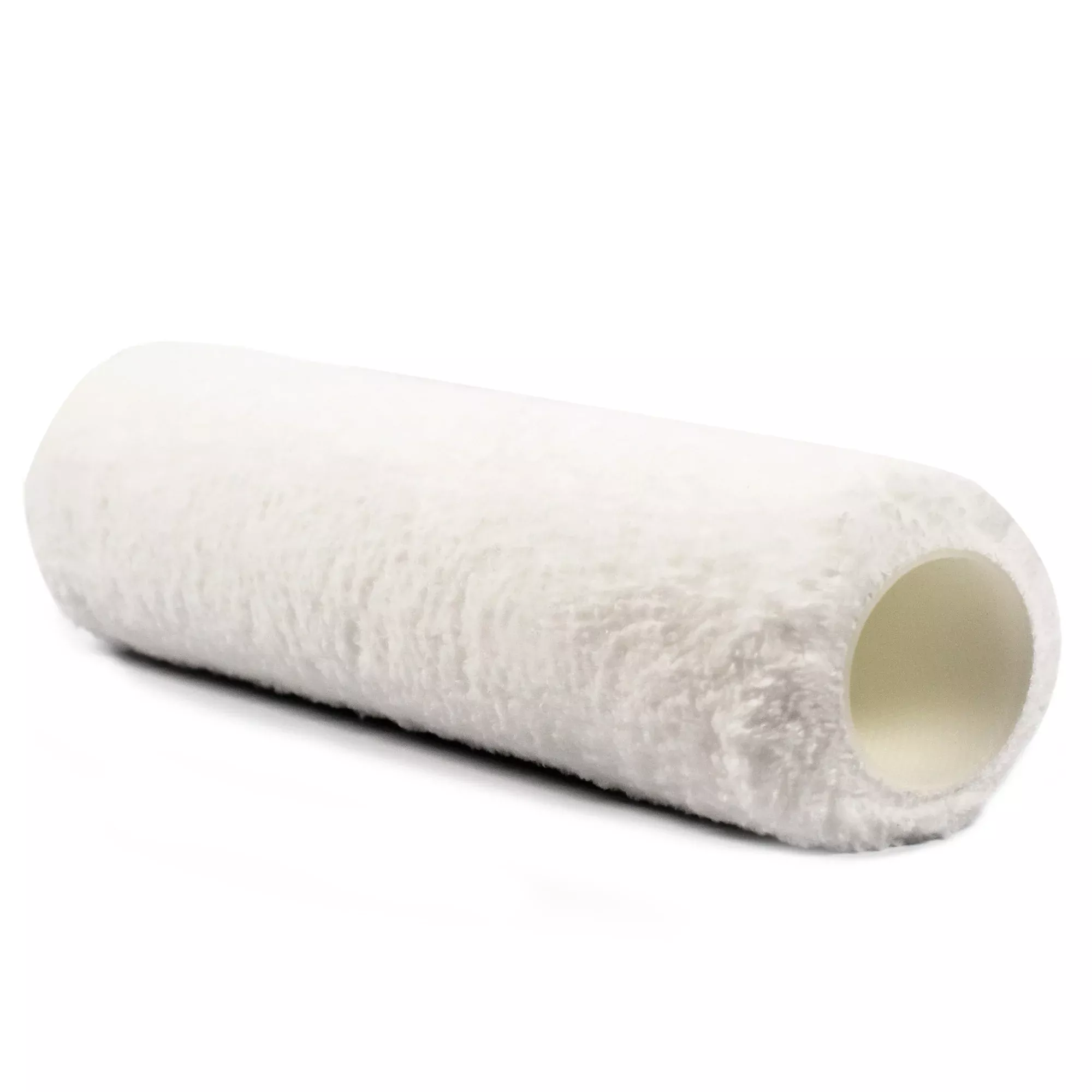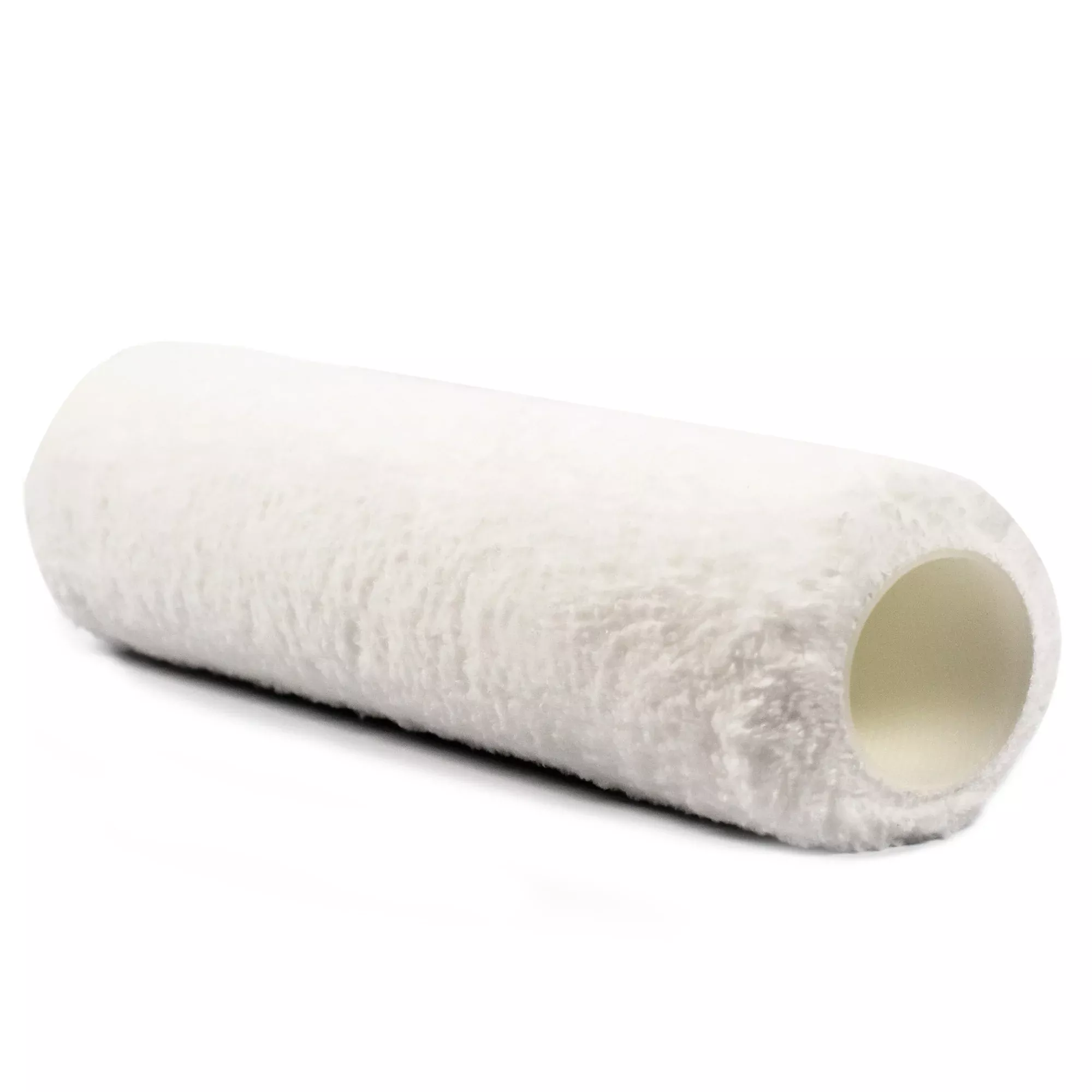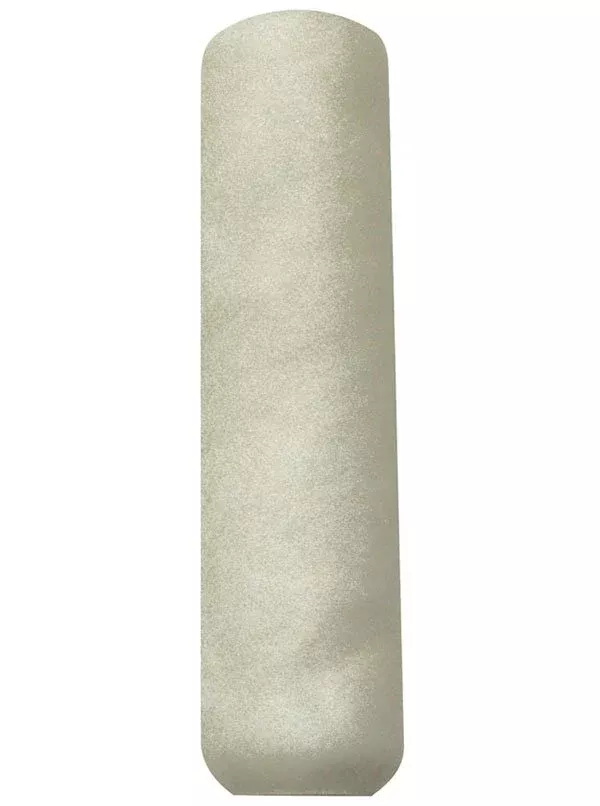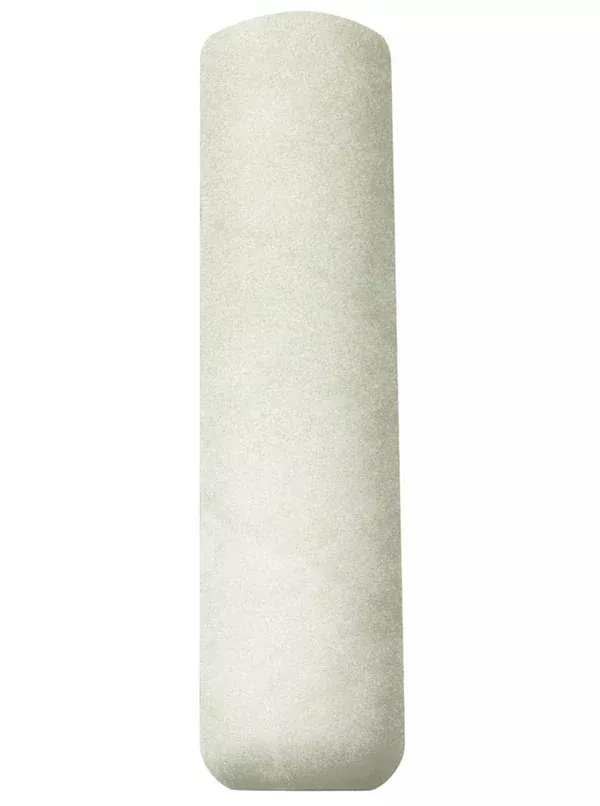
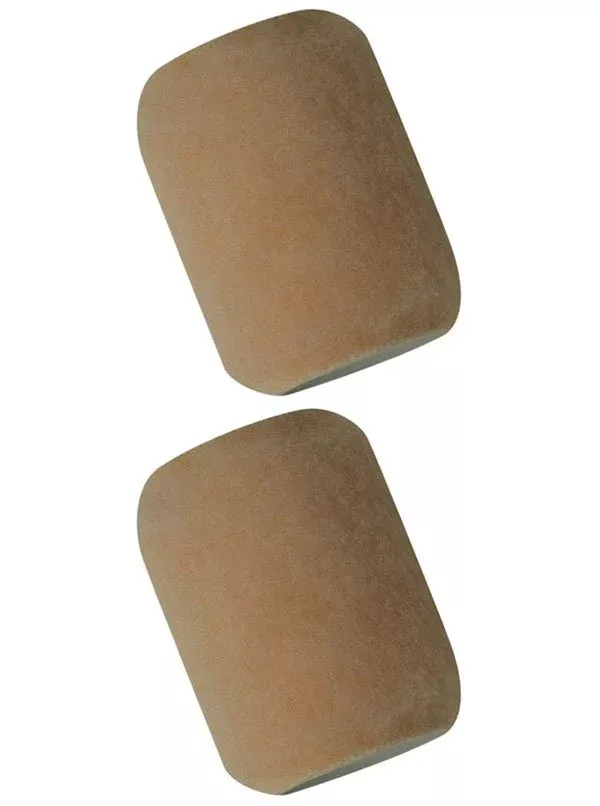
Is this the right tool for your job?
✕CHOOSE A DIFFERENT TOOL WHEN
- Sheen coats and critical finishes.
- A knit-grade cover can shed a fiber, and while that’s invisible in primer, it will pick out of a satin or semi-gloss film and cost a callback — step to a woven Pro or a microfiber for anything with sheen.
- It’s also wrong for gloss doors (wall nap prints stipple gloss magnifies) and for full walls (3″ is slow — that’s the 9″‘s job).
- And it reaches no real texture beyond light: for knockdown or masonry, step up the nap and, on rough surfaces, the durability.
How the pros run it
01
Standard wall rolling at mini scale
load the cover fully off a screen or tray grid, distribute the load in a zigzag across a small patch so you don’t dump it in one stripe, then fill and lay off. The 3/8″ nap carries more than a short-nap mini, so you reload less than you would with a 1/4″ — but a knit-grade cover mats down over a long day and sheds more than a woven one, so de-lint it before first use (tape-pull or wash-and-spin) and treat it as a short-job cover. Light pressure, as always; press hard and even a mini beads paint at its ends. On primer, one back-roll pass to fill pinholes.