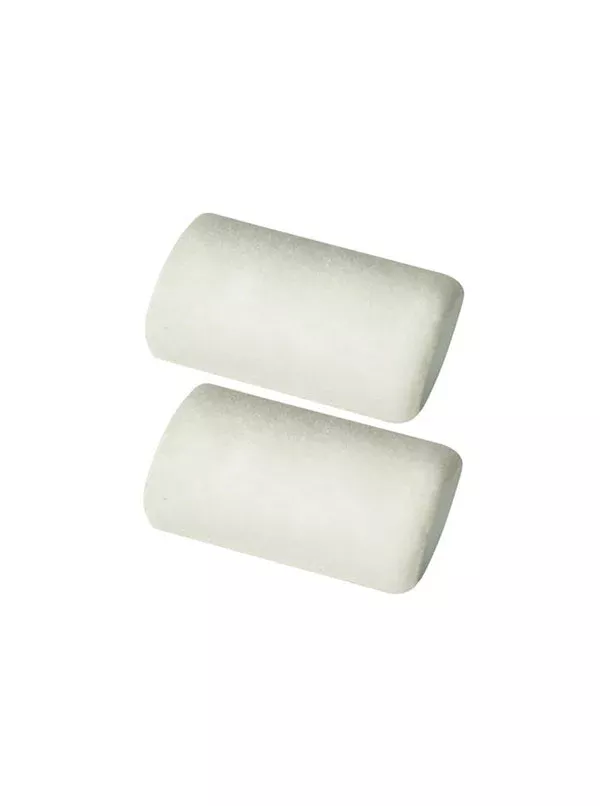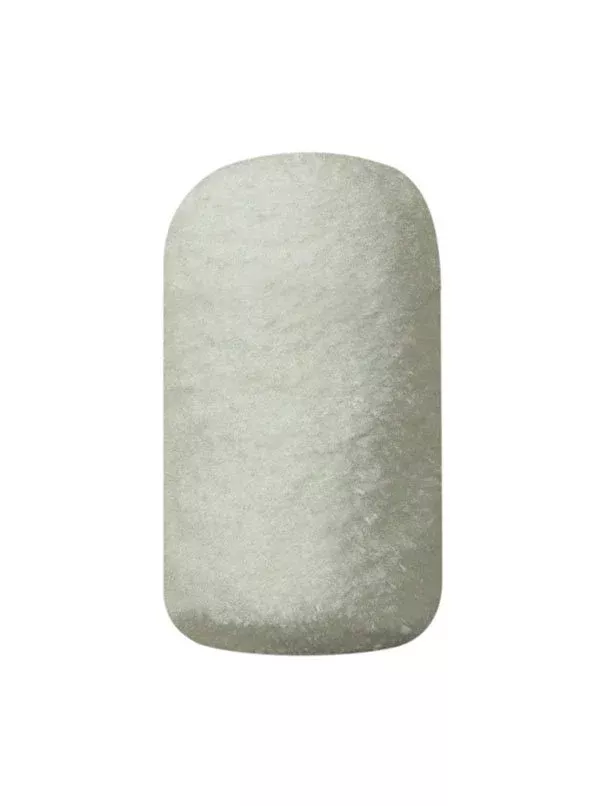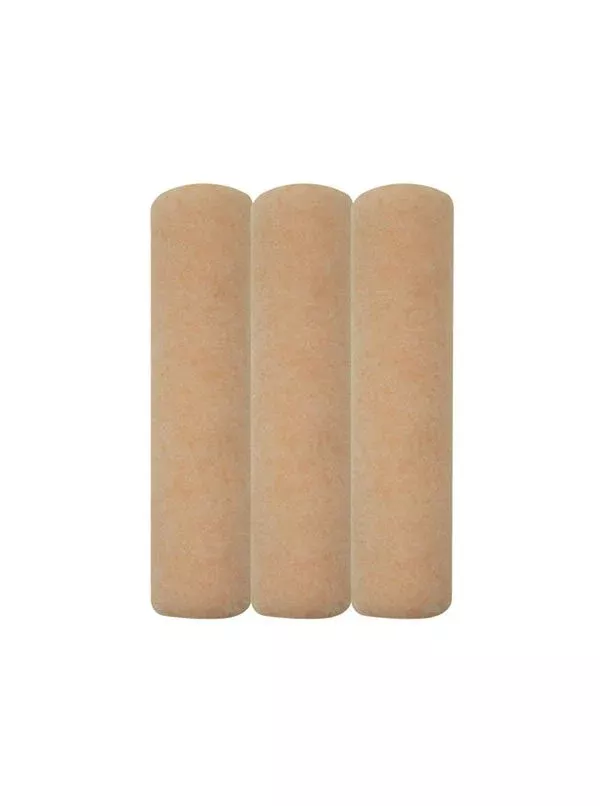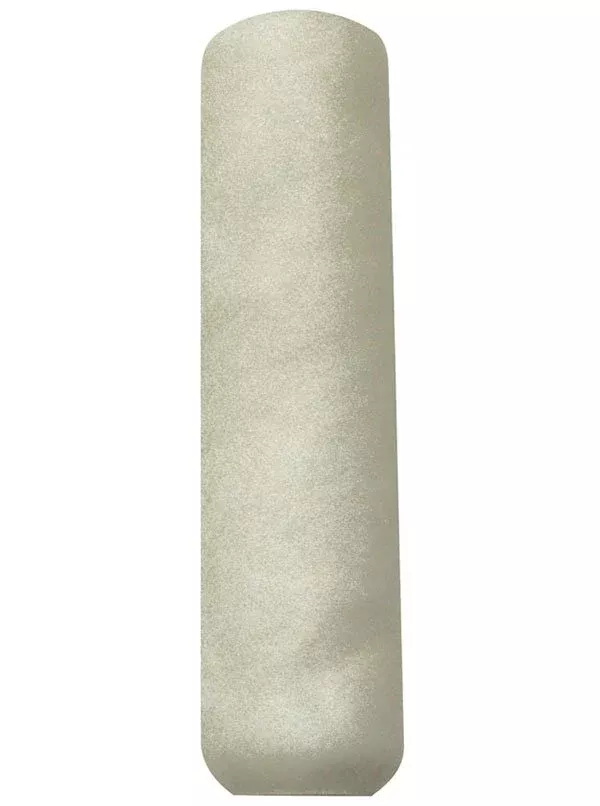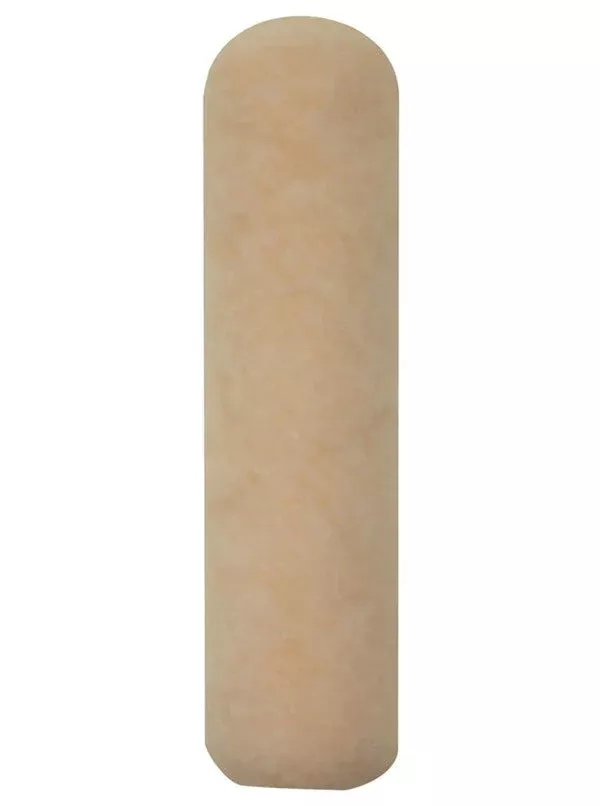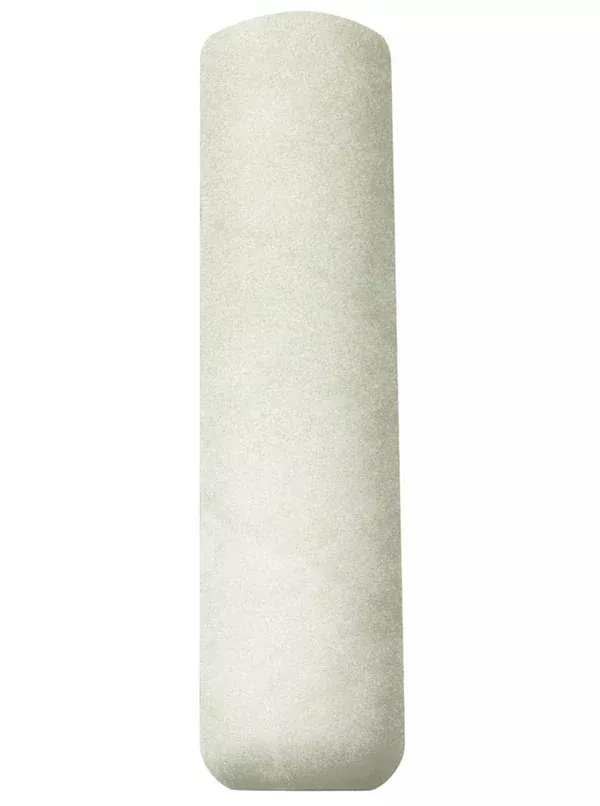
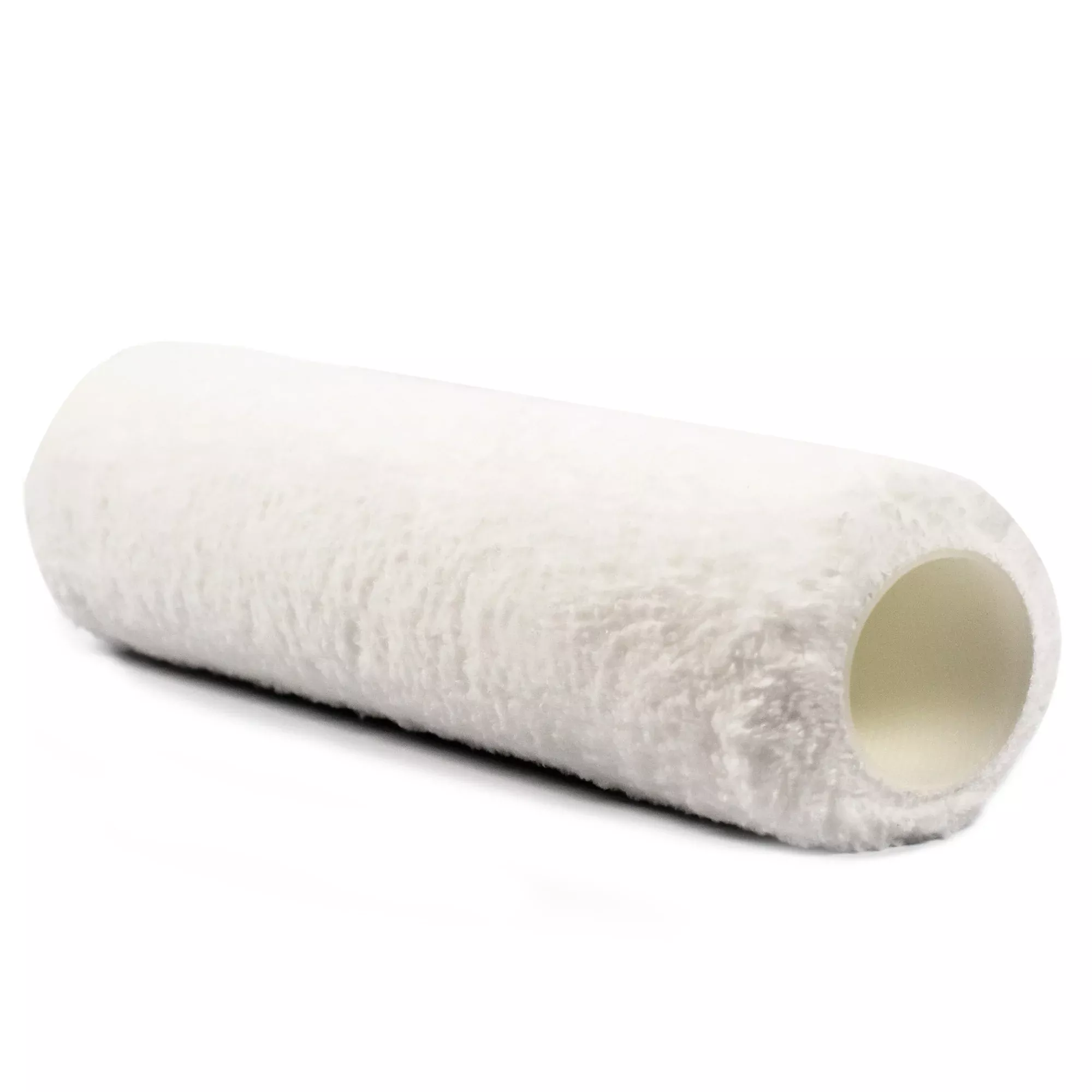
Is this the right tool for your job?
✕CHOOSE A DIFFERENT TOOL WHEN
- Masonry and heavy abrasive texture. Brick, block, coarse stucco, and split-face masonry tear the fine filaments. Even where the depth would suit a 3/4″ reach, abrasive surfaces belong to the General-Purpose knit class, not to microfiber — a hard boundary, not a preference.
- Dead-smooth walls under high gloss. On level-5 drywall or a skim coat in semi-gloss, the 1/2″ lays a faint stipple the 1/4″ (99521) or foam would not. Smooth-and-glossy is the shorter nap’s job; the 1/2″ is for texture.
- Utility and primer work. Sealing new drywall or repainting a rental doesn’t reward — or justify paying for — a finish microfiber; that is the economy General-Purpose cover’s job. Spend the microfiber where the finish is the deliverable.
- Epoxy floors. Lint-free woven only; finish microfiber is not the coating cover.
For these jobs—use this instead
THE JOB, THE REASON, AND THE BETTER TOOL✕ Dead-smooth walls under high glossOn level-5 drywall or a skim coat in semi-gloss, the 1/2″ lays a faint stipple the 1/4″ (99521) or foam would not. Smooth-and-glossy is the shorter nap’s job; the 1/2″ is for texture. BETTER TOOL 9″ roller cover, ULTRA TOUCH series 99521 →
How the pros run it
01
Press light, load full
Microfiber’s capillary matrix feeds the wall under the lightest pressure and floods under a heavy hand — use the capacity by loading fully, not by leaning. Exploit the wet edge. The extra held paint is your weapon against lap marks on wide, well-lit walls; keep columns moving into wet and don’t stop mid-wall. Reload on sound — full-and-quiet, hiss starved, drips overloaded; the 1/2″ microfiber holds a lot, so your interval is generous, but overloading still runs the film. Rinse thoroughly and patiently — microfiber holds paint deep and releases it slowly; wash until the water runs genuinely clear, spin, and dry standing on end. This is a keep-and-reuse cover; a quality microfiber earns its price over multiple jobs. Overnight: wrap airtight.