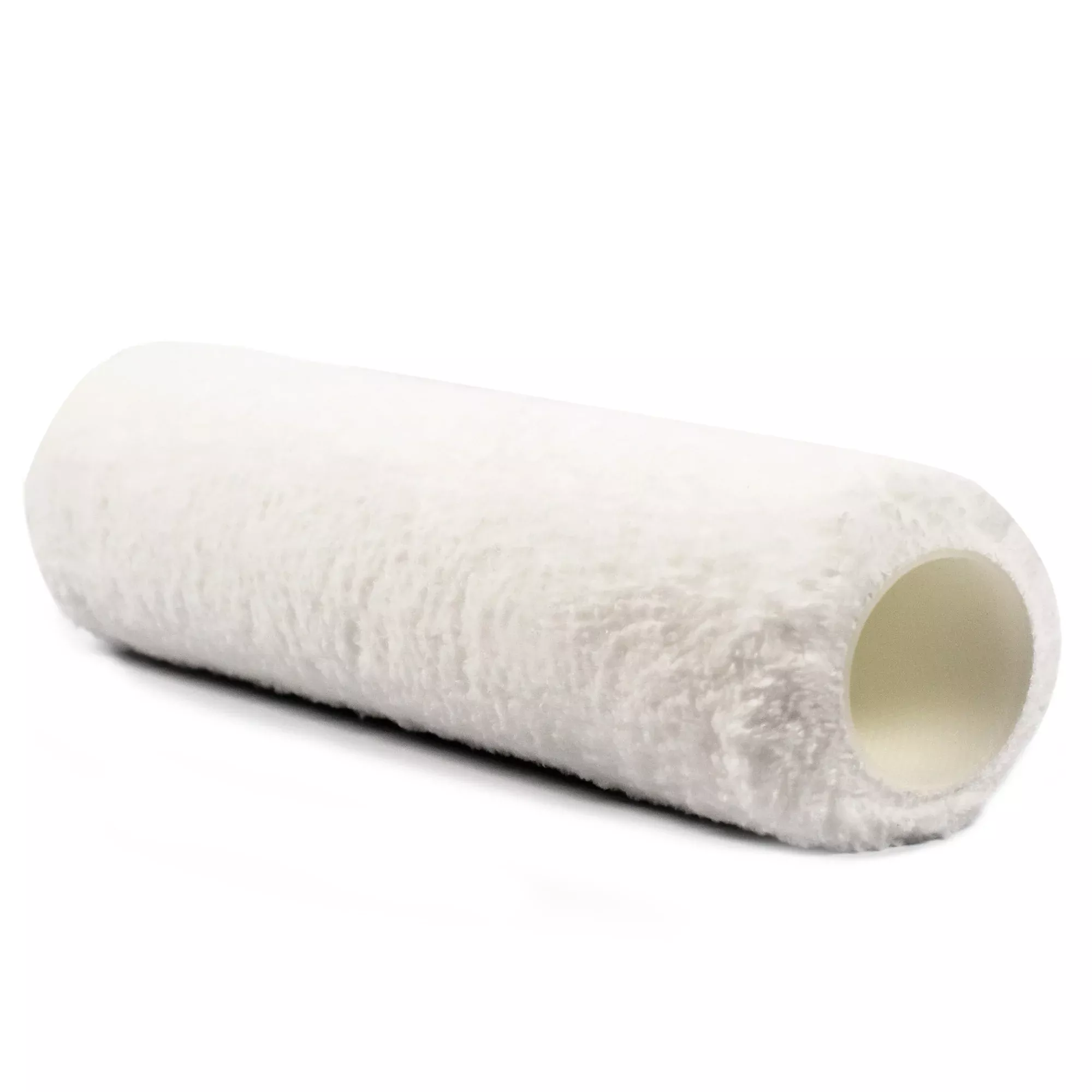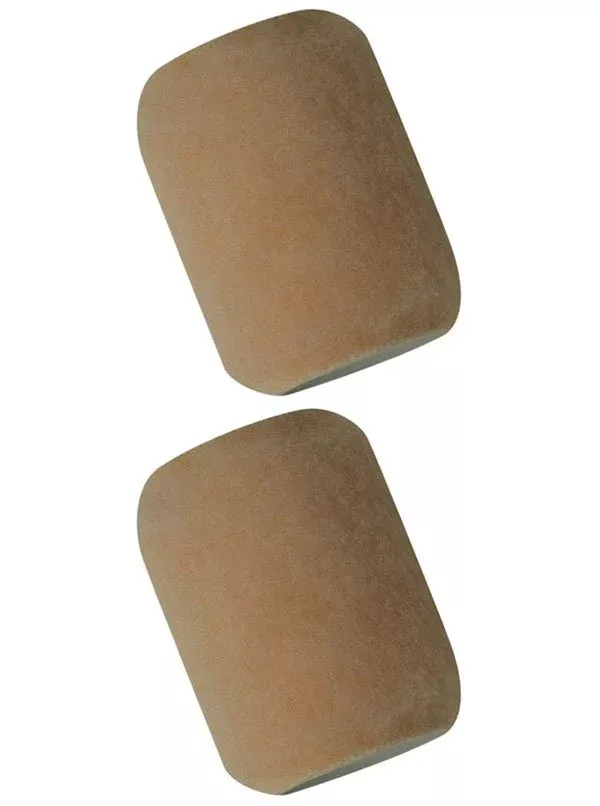
Is this the right tool for your job?
✕CHOOSE A DIFFERENT TOOL WHEN
- A 3″ cover crossing a full wall is an afternoon of reloads, and a 1/4″ nap on anything but glass-smooth drywall starves and skips.
- It is also wrong for any texture — 1/4″ fibers bridge over orange-peel valleys and leave them unpainted, a miss that shows the moment the light rakes.
- For a wall, step to a 9″ at 3/8″ or longer; for a textured wall, step up the nap, not down the width.
Jobs this tool does
EXACT JOB METHODS FOR RICHARD №94036✓ Job guideHow to Paint Trim, Baseboards, and Casing — Diagnose, Cut, Roll, and Read the FinishOPEN JOB GUIDE →
How the pros run it
01
Load light and lay off. The 1/4-inch nap carries a small tank, so the rhythm is frequent reloads, thin passes
a starved mini hisses and skips, an overloaded one leaves a fat edge at the cover’s ends. De-lint even a woven cover before it meets paint (wrap it in tape and pull, or wash and spin); “lint-free” means the fibers won’t shed under work, not that a brand-new cover carries no loose fuzz. Press almost nothing: at this nap the finish comes from the paint leveling, and pressure only squeezes beads out at the shoulders. Finish each small section with one light lay-off pass in a single direction so the faint stipple aligns and the sheen reads even.